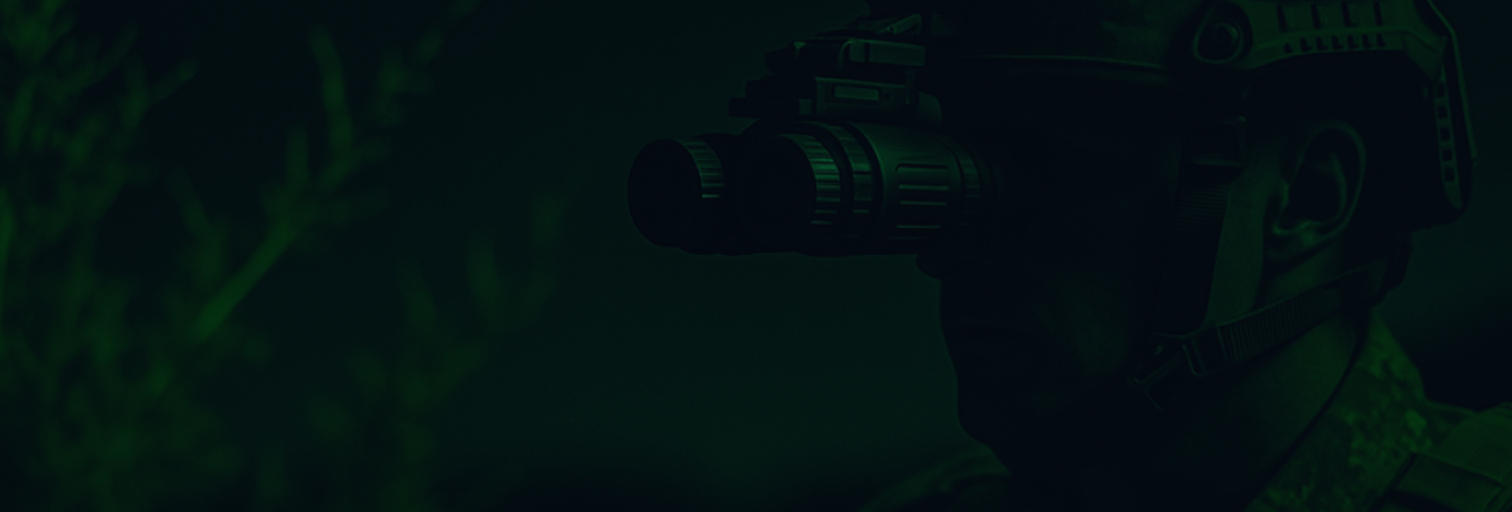
I have been using tube based night vision equipment for over 30 years, along with thermal and also fusion devices using clip on thermal imagers over image tubes.
The GF31 offers some interesting features that makes me come back to using it again and again over some of my tube based night vision.
It will not see as well into the dark as my PVS-14, but GoodNiteGear has illustrated this in their videos, However,it certainly comes close enough, and at the light levels that I am testing where both systems are having trouble seeing, like a windowless basement on an overcast moonless night, you probably would want to use an IR light source anyways with both units.
I applaud GNG for showing honest peformance and giving honest specifications on their devices.
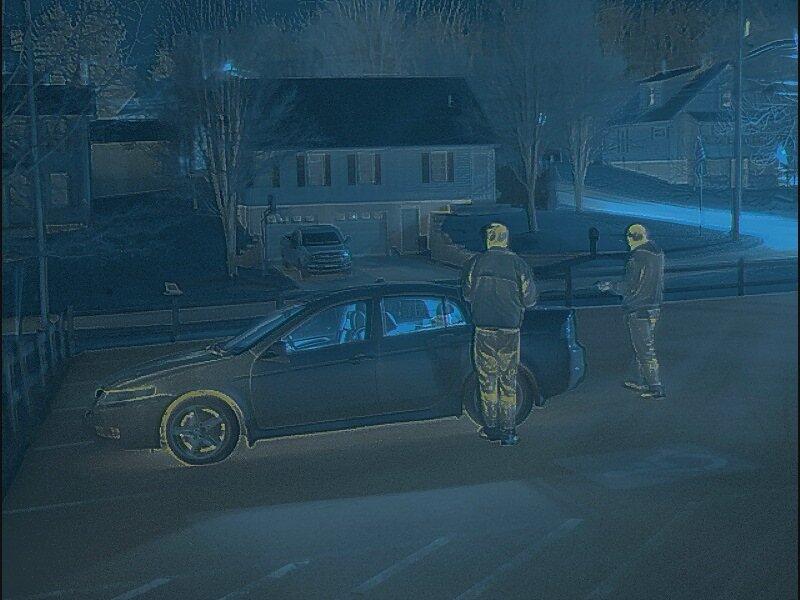
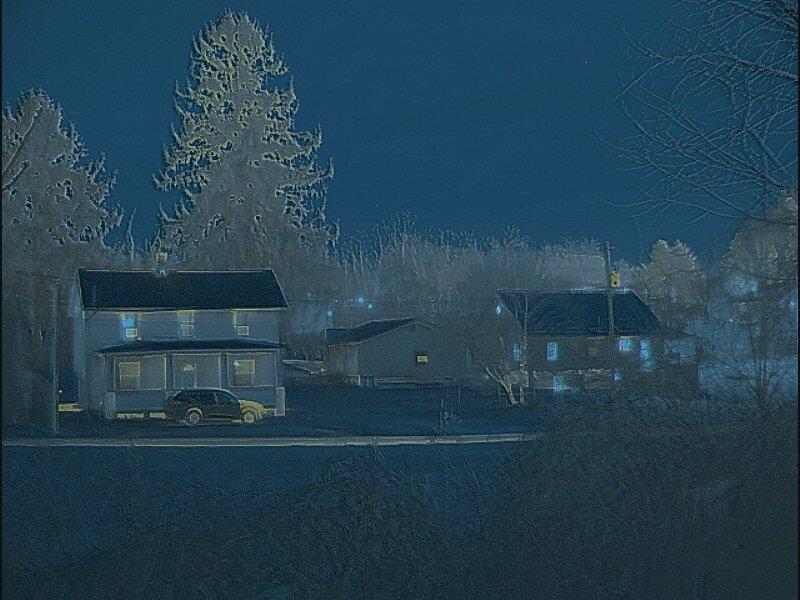
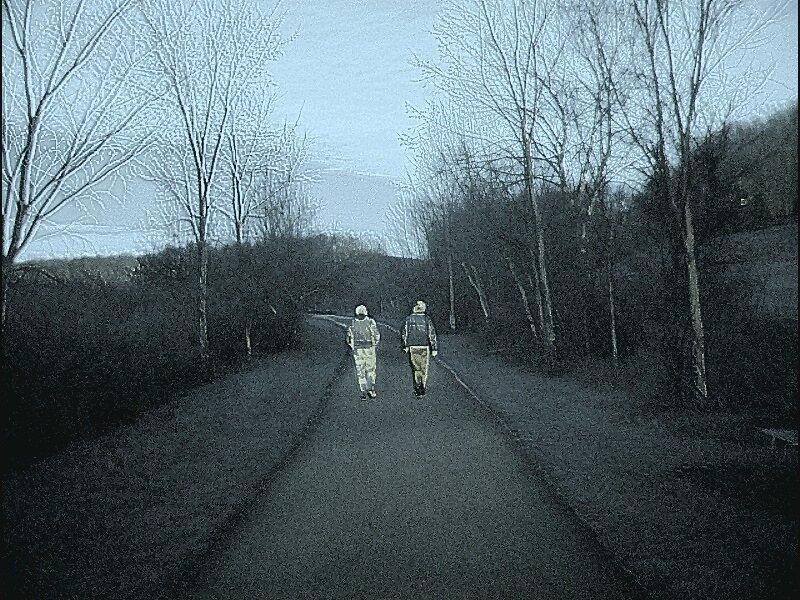
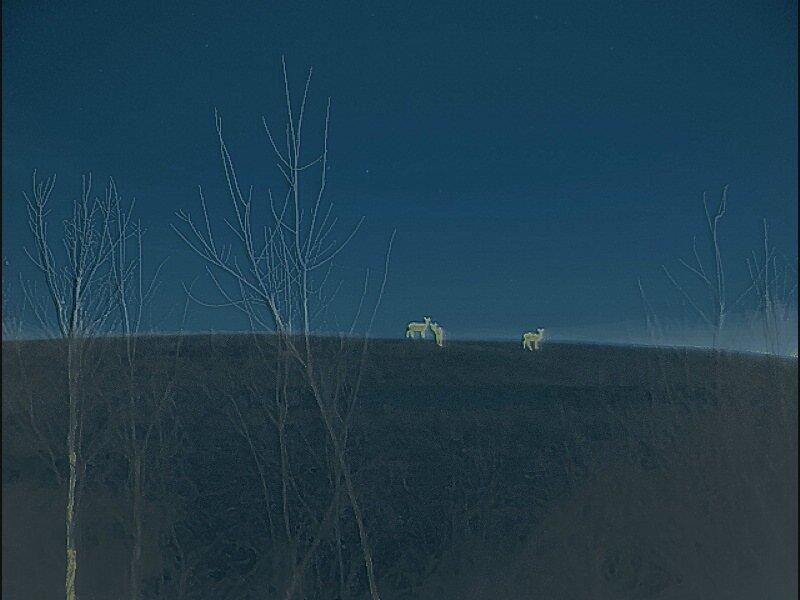
But the GF31 has a 640x512 thermal imager, so you can still see objects in your super dark basement without the IR light and it sees very well into dark forest shadow areas where even intensifiers can strain to see. The thermal imager is not the most sensitive out there with a 50 millikelvin rating, but you have to remember that isn't what they were going for with this system. The main point of this system was that you have two low light scientific 1" format CMOS sensors giving you edge details of objects under reflected low light for navigation and identification.
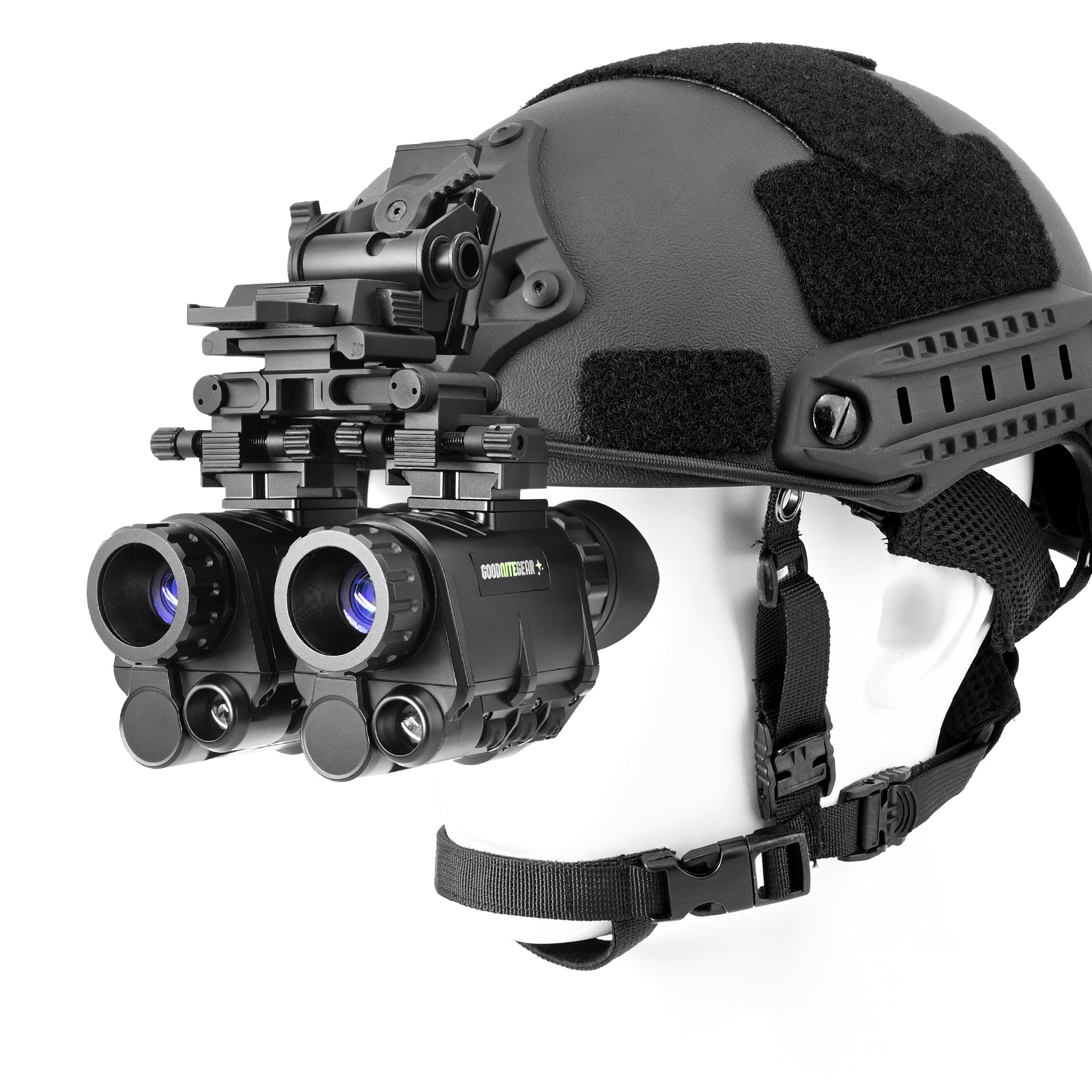
There is a lot of customization available with this system, you can rotate the left or right eye tube up and they automatically shut off to allow you to use the system as a monocular. You can have a low light CMOS image in the left eye, and a full black hot or white hot thermal image in the right eye, all with the full 40x30 degree field of view and properly
collimated to the left eye low light view to give you less eye strain if that is your preference.
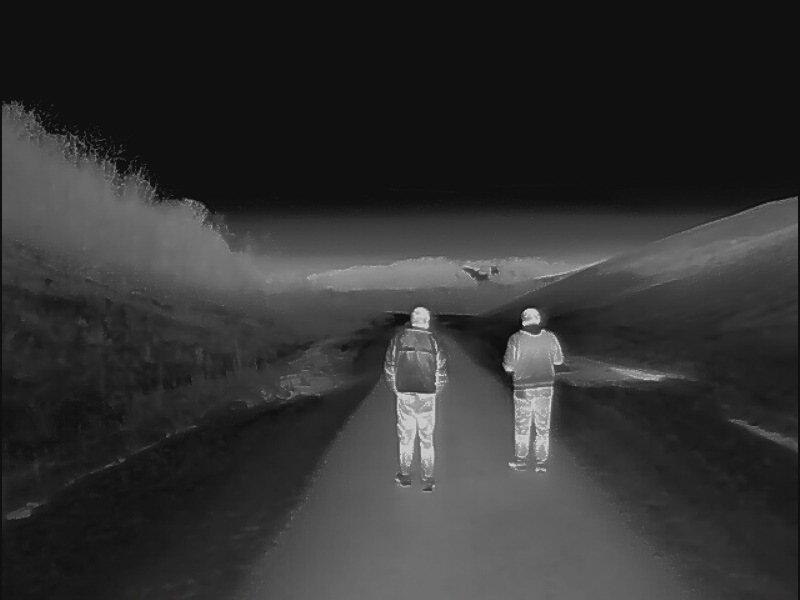
The system also allows for Black hot thermal settings, sometimes missing in other night vision thermal fusion systems like the RENV-B and Jerry Pro coti, which are useful in certain climate situations.
The lag is surprisingly small despite the framerate. If I wanted less lag, you just hit the top button on the goggles and it switches to outline mode, using 100 frames per second with thermal outline overlay on hot targets.
One area of improvement that I hope is something that could be updated with software is the "Grey" fusion mode. It is very good to keep the greyscale image from the CMOS sensors in both eyes, but putting the thermal also in greyscale make the image foggy and hard to discern what you are seeing at times. I would suggest keeping the grey tone of the CMOS sensors, but apply the yellow or orange thermal sensor data color. This would also better replicate a white phosphor image tube with a color thermal overlay.
One thing I was concerned about was resolution. I was an optician that used to inspect U.S. image tubes for a military contract years ago, so I understand a bit about this. One thing to remember is that when an image tube is saying that it is 64 line pair per millimeter, that is the resolution of the tube itself, before you put glass in front of it and behind it at which point a system resolution test is performed. We made ANVIS systems using the best optics you can use for night vision systems, and under ideal Hoffman test conditions a 72 line pair
tube after the ANVIS glass was put on it became a 57 lp/mm system. Now use Carson glass for your PVS-14 or even worse non mil spec stuff, and that could drop a bit from there, especially when starting with a 64 lp/mm tube.
Now get into light levels that aren't ideal. Quarter moon and less where tubes have to struggle or forest areas that are shaded. There isn't any way with the tube scintillation and shot noise that you are seeing anywhere near 64 lp/mm. I would say the GF31 holds out pretty well in resolution, it certainly does not have the resolution of a tube under full moon perfect conditions, but it doesn't have the same
problems with halos and mixed lighting conditions that tubes can struggle with. I would also say the CMOS sensors resolution goes down more gracefully than a tube does as the conditions get darker.
Cost being another advantage. To get similar results having a fusion system that is tube based you would have to get the Jerry-FB or RENV-B, but with the most basic NNVT Gen 2+ tubes with 1400-1600 figure of merit tubes the cost starts at $9299 currently, with 2000 FOM tubes pushing the price up to over $11,000.
The only improvements I would like to see with this system is a better eye relief to more easily see the full field of view of the dispay, and better objective lens design to eliminate as much glare from lights as possible, as well as the addition of color to the "Grey" fusion mode to make it more similar to white phosphor tube based fusion systems.
It is immune to bright lights, The system came with protective sacrificial lenses to protect all optics including the thermal from damage if req...