
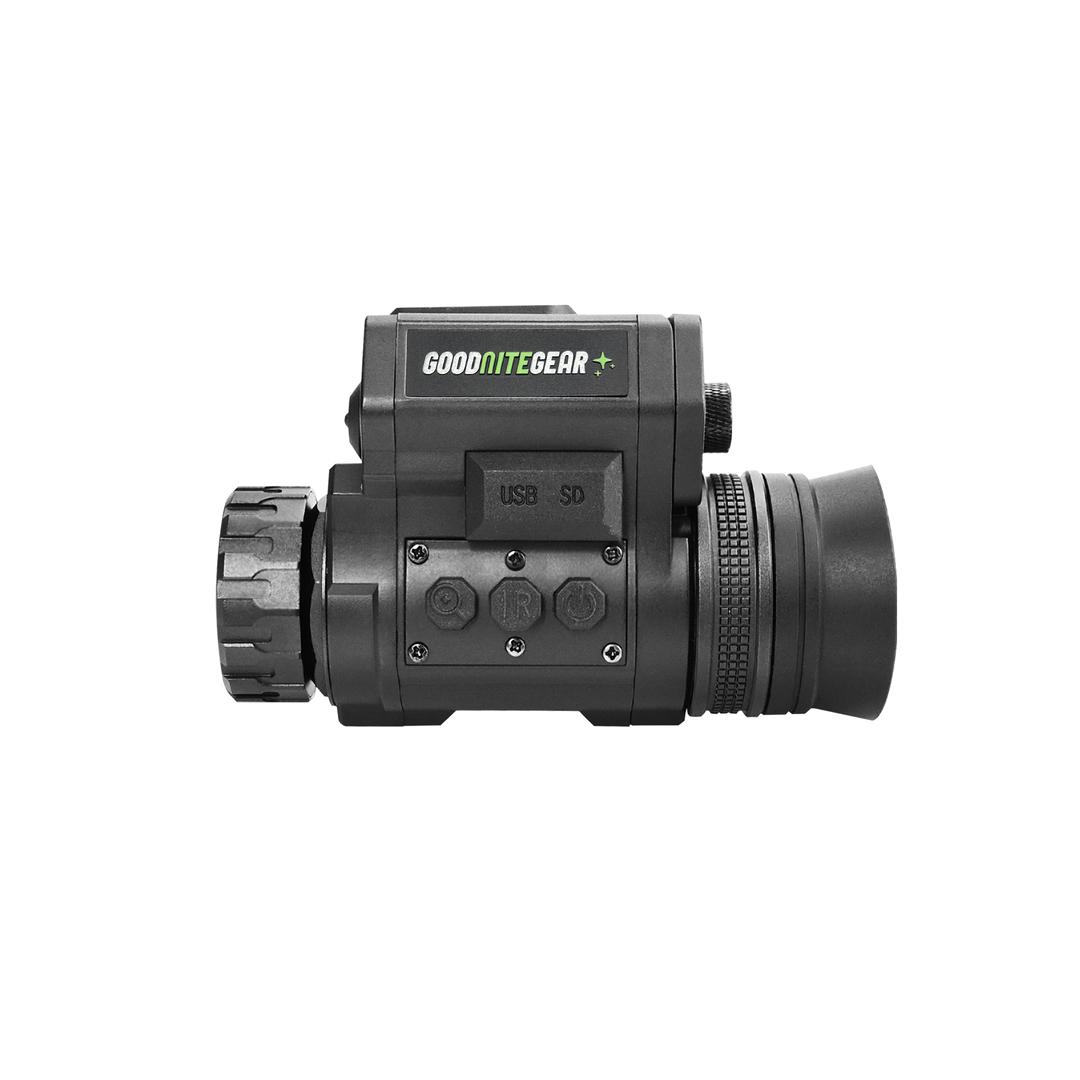

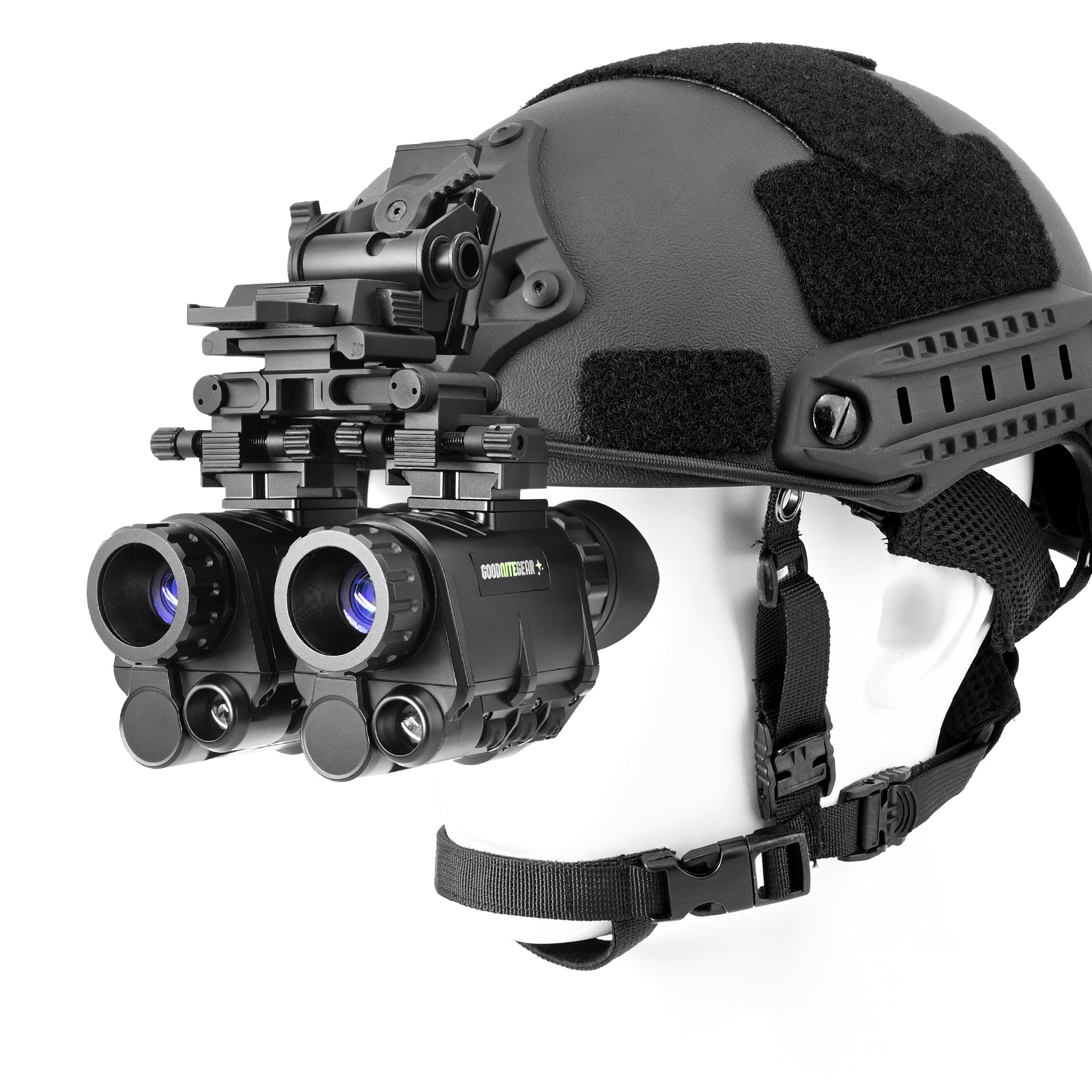


Today we're doing a head-to-head comparison between two of the most popular digital night vision devices: the Sionyx Opsin, a high-end monocular currently running around $1,995, and the NVG30, which represents the top end of performance for budget-friendly tactical night vision — currently available for around $400.
The Opsin is widely used in law enforcement and the shooting community, and considered by many to be the best digital night vision device on the market. The NVG30 is widely considered the best entry-level night vision available, offering meaningfully better performance than the Nightfox Prowl, the NVG10, Night Operators, and other similar devices.
In this video, we do a tabletop comparison and test them side by side to see whether the Opsin really is a superior unit like its hefty price tag suggests, and how the NVG30 stacks up in terms of raw performance.
The Verdict
There's no question the Sionyx Opsin is the better-performing unit. The UI is more advanced, the field of view is wider, low-light performance is better, and the refresh rate is quicker. That said, the price gap between these two devices is significant — at roughly $1,995, the Opsin runs about $1,500+ more than the NVG30, and once you factor in a mount and a decent helmet for the Opsin, that gap continues to grow.
While the NVG30 does fall short of the Opsin in several areas, in most cases it isn't far behind — and the performance may well be good enough for your specific use case. For close-quarters tactical purposes, the advantage clearly favors the Opsin, but in most other outdoor mid-to-long-range scenarios, the Opsin's advantage is fairly minimal.
Where the NVG30 Actually Wins

There are real, practical advantages on the NVG30's side:
- Significant weight savings, making it more comfortable to wear on a helmet over extended periods
- Swappable batteries in the field — a major advantage over the Opsin's bulkier external battery pack configuration
- Much easier to use as a standalone handheld monocular, without the Opsin's dependency on its external battery unit
For people new to night vision, the NVG30 is an exceptional entry-level product and a genuinely viable solution in most scenarios. Plenty of people we've talked to — including other YouTubers who've tested this unit — have come away impressed by its performance.
So Which Should You Buy?
If you have a few thousand dollars to spend getting into night vision, analog might actually be a better option than the Opsin at its current price point — though analog pricing keeps climbing too, which could make the Opsin look better and better over time. At just under $2,000, it's certainly an attractive price point in its own right.
If you see yourself running and training under night vision frequently, the Opsin will give you a meaningfully better experience. But if that price tag isn't in the cards, you can put together an NVG30 and a helmet together for well under $600 — a far more realistic expense for most people — and get nearly all the same core capability, with only modest sacrifices in performance.
You can also check out our full range of affordable night vision goggles.
A Middle Ground Worth Considering: The NVG90
If neither end of this comparison feels quite right — the NVG30 leaves you wanting more performance, but $1,995 for the Opsin is a bigger jump than you want to make — the NVG90 is worth a serious look at around $1,250.
It won't fully close the gap to the Opsin, but it meaningfully narrows it — better low-light performance, a wider field of view, and a higher frame rate than the NVG30, at roughly $750 less than the Opsin. For buyers who want real performance gains over entry-level digital without committing to Opsin-level pricing, the NVG90 is the natural next step up.

