
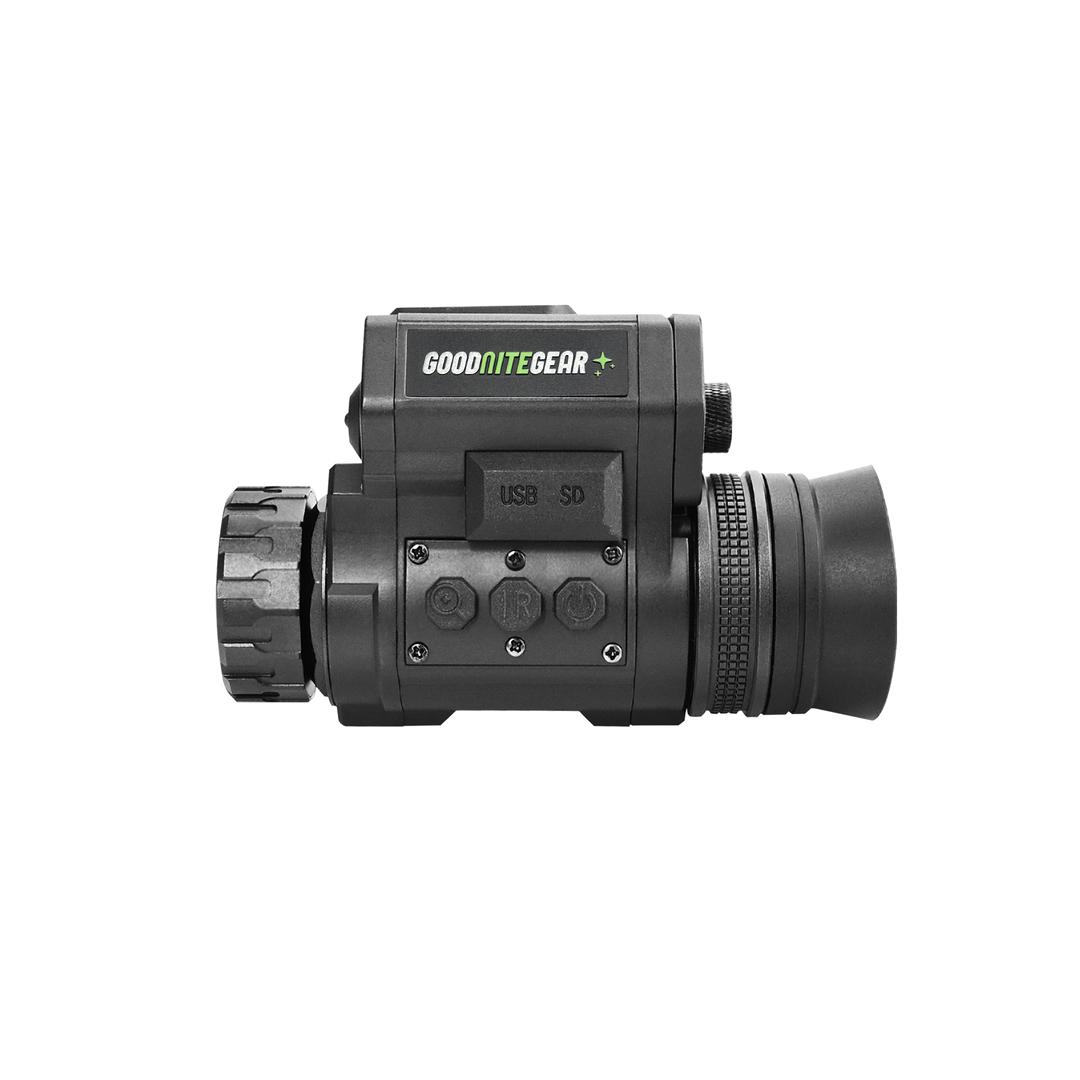

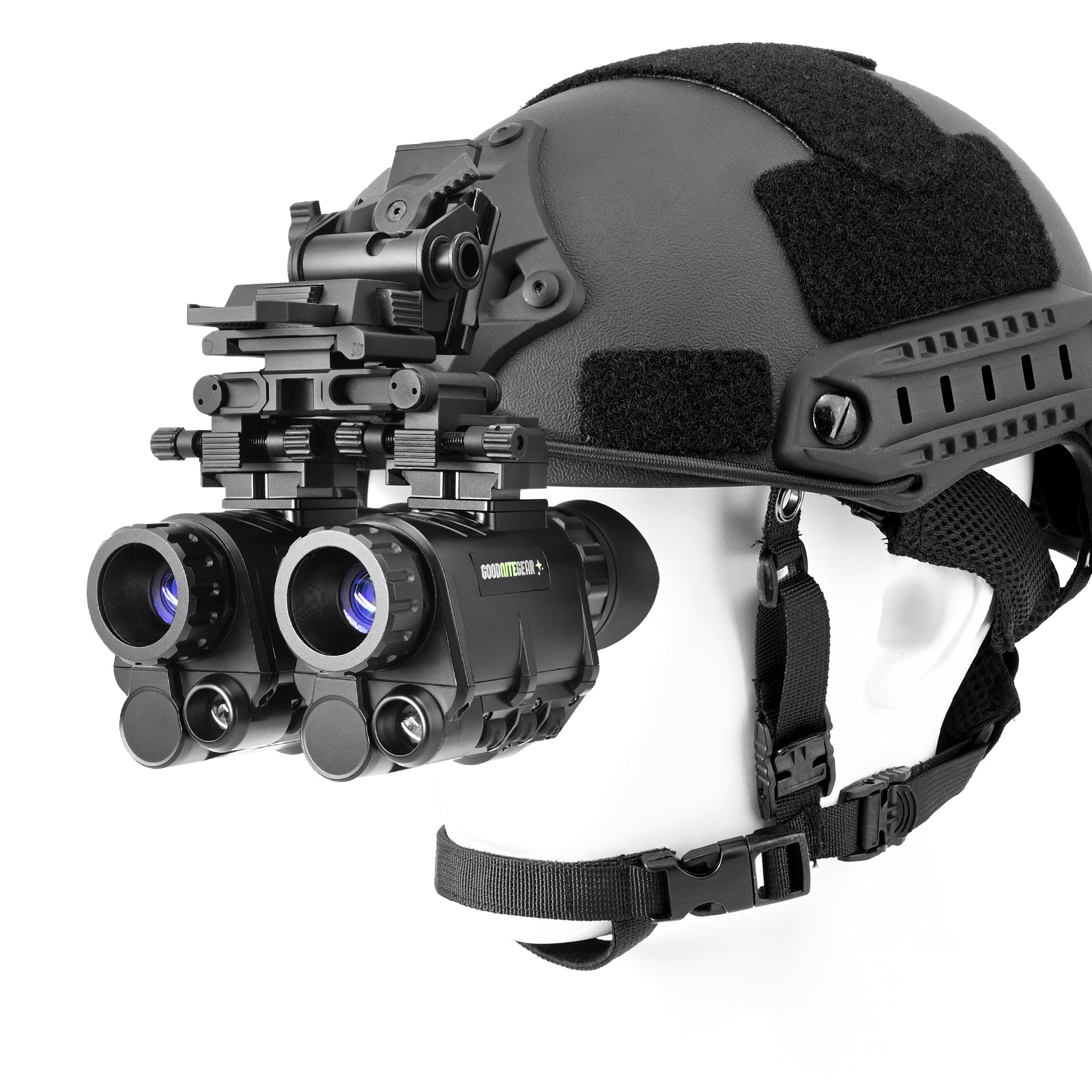


Clear vision in the dark matters more than ever — for tactical use, wildlife observation, or security. To help you make a rational decision, Good Nite Gear breaks down digital night vision in detail, covering the real pros and cons so you can answer the question for yourself: is digital night vision worth it?
What Is Digital Night Vision?
The best digital night vision monoculars use high-sensitivity CMOS or CCD sensors to capture low-light images, which are then displayed on a micro-display (LCD or OLED).
Because digital night vision converts light into a digital signal rather than amplifying it optically, it enables features analog simply can't offer:
- Video recording
- Photo capture
- Digital zoom on many devices
The Main Benefits of Digital Night Vision
Durability and Daytime Use
Digital sensors are inherently more resilient and less fragile than tube-based analog systems. Most digital devices handle daytime use without issue and aren't susceptible to damage from bright light exposure — a real advantage over analog, where sustained bright light exposure can permanently harm the tube.
Recording and Sharing
Built-in storage or external memory makes it easy to capture photos and video — a genuine advantage whether you're running a digital night vision scope, monocular, or binocular.
Cost-Effectiveness
Digital night vision spans a wide performance range at a wide range of price points. Budget digital devices offer solid Gen 1-comparable performance, while mid-tier and premium digital sensors increasingly compete with Gen 2+ and even Gen 3 analog performance — all while generally costing less than the analog equivalent. Check out our full lineup of digital night vision devices to see where each price tier lands.
Format Versatility
Depending on your use case, you can choose from digital night vision monoculars, binoculars, or full goggle systems.
The Real Challenges of Digital Night Vision
Latency and Lag
Some users report minor lag or delay in fast-paced use cases, particularly on lower-end digital devices — this is far less of an issue on premium digital sensors, which run at higher frame rates with minimal latency.
Battery Life
Digital systems generally draw more power than analog and may need more frequent charging, especially when running an IR illuminator continuously.
Image Quality in True Pitch-Black Conditions
At the budget end, digital devices may not fully match analog Gen 2+ clarity and low-light sensitivity. That gap narrows considerably at the premium end, but it's still a real consideration if you're operating in genuinely extreme low-light conditions.
Should You Consider Buying Digital Night Vision?
Outdoor enthusiasts using digital binoculars for hiking, camping, and wildlife observation get real value from the portability and built-in recording capability.
Security and surveillance users benefit directly from the ability to capture and review footage — something analog simply doesn't offer.
Budget-conscious buyers get access to genuine night vision capability at a price point analog can't match.
Is Digital Night Vision Worth It?
For outdoor enthusiasts and most civilian buyers, yes — digital night vision is genuinely worth it. It's an appealing choice thanks to:
- Recording and sharing capability
- Better durability than analog
- Lower cost across most performance tiers
That said, top-tier analog Gen 2+ systems still hold an edge if your priority is:
- The absolute lowest possible latency
- Maximum low-light clarity in true pitch-black conditions
- Longer battery life for extended tactical or professional use
How to Decide
- Want portability and one-handed use? Go with a digital night vision monocular.
- Want comfort and shared viewing? Digital night vision binoculars are the better fit.
- Need hands-free operation? Consider a full digital night vision goggle setup.
- Whatever you choose, check user reviews, battery specs, display resolution, and IR performance before buying.
The Bottom Line
Digital night vision technology has advanced considerably — enough that premium digital sensors now compete directly with mid-to-high-end analog performance, not just entry-level Gen 1. High-end digital night vision has become genuinely competitive with analog at the professional level, and it's seeing real adoption by police and law enforcement agencies who want that performance without analog's price tag or fragility. While top-tier military-grade analog still holds some genuine advantages for the most demanding use cases, most buyers today find digital's price, durability, and recording capability well worth it.

