



Best Thermal Monoculars & Thermal Binoculars (2026)
Thermal imaging detects heat, not light — which means it works in conditions where even the best night vision can't: total darkness, dense fog, smoke, or thick brush. Whether you want a lightweight monocular or a true binocular setup, here's how to choose, and where our lineup fits.

Thermal Monocular vs. Thermal Binocular: Which Do You Need?
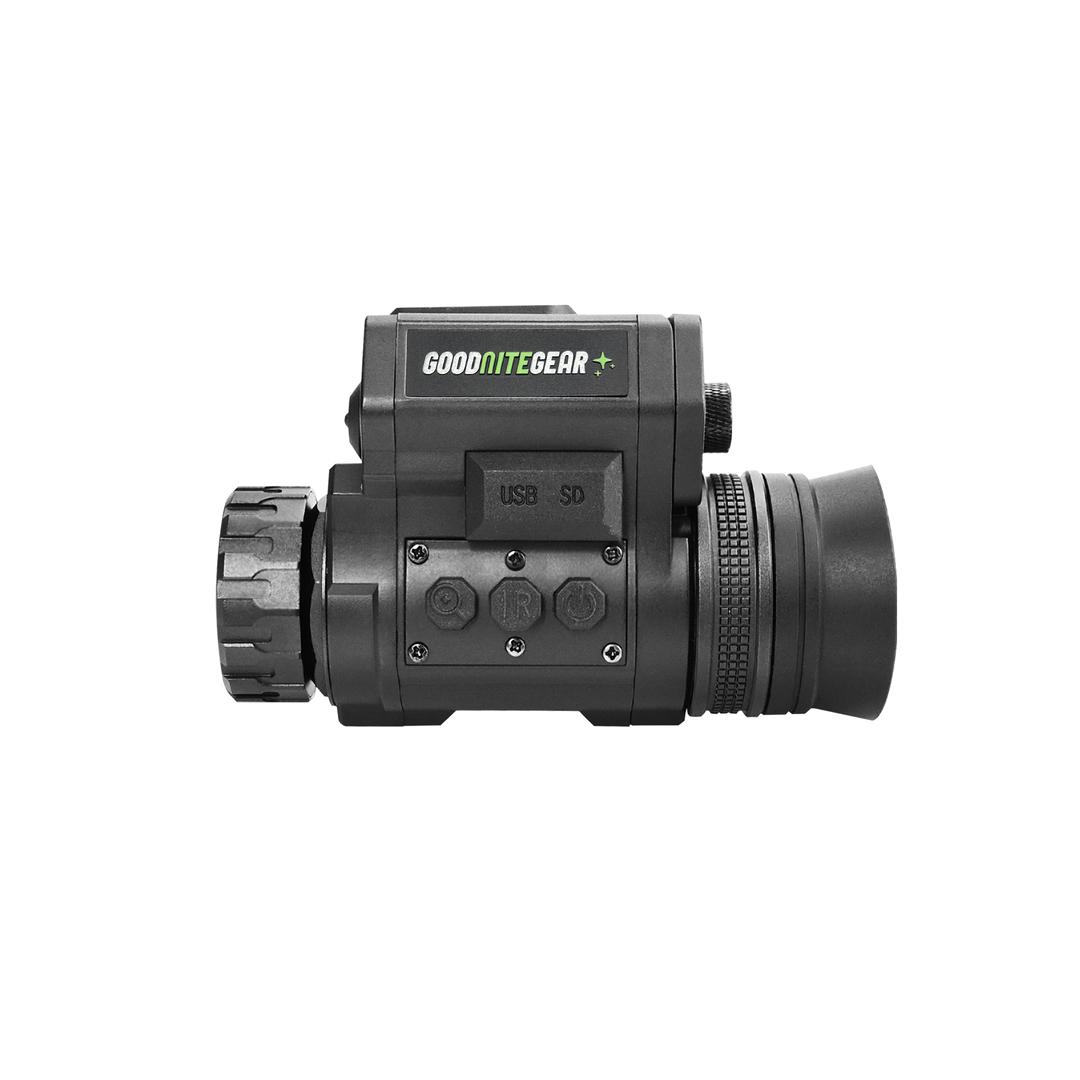
Thermal monoculars are lighter, more portable, and better suited to fast, one-eyed use — walking, scanning, quick target identification. If you want a single, versatile device that's easy to carry and mount, a monocular is the better starting point.
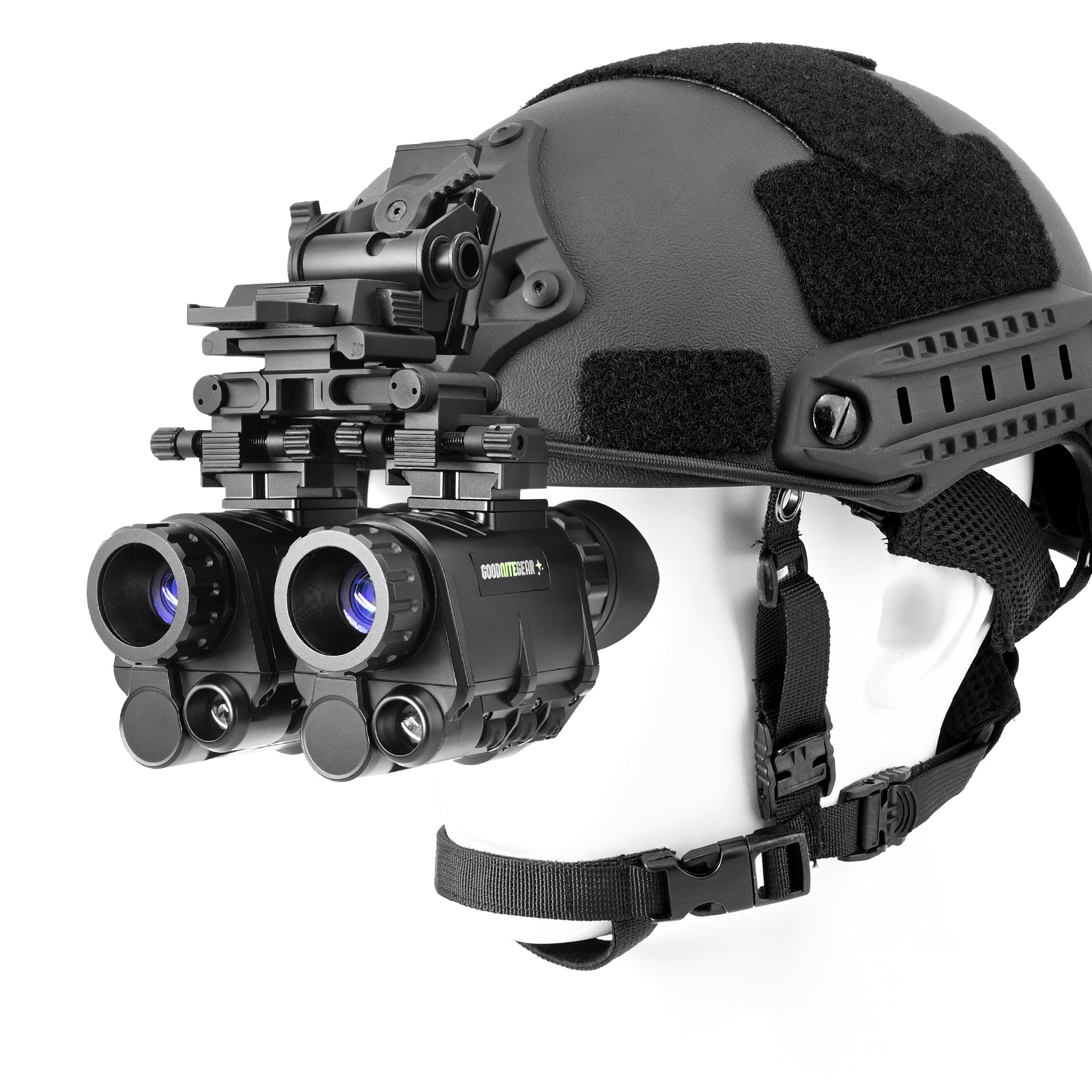
Thermal binoculars use two lenses for genuine stereoscopic depth perception, making extended viewing sessions more comfortable and movement easier to judge accurately. If you're doing prolonged observation or need better spatial awareness while moving, binoculars are worth the extra size and cost.
Best Thermal Monoculars
Nightfox Arctic — Best Budget Entry Point

~$450
A genuinely affordable way into thermal imaging. 256×192 resolution, helmet-mountable, roughly 9 hours of runtime on a single 18650 battery. You're trading resolution and detection range for the price, but it still delivers real heat-signature detection — not a toy, a legitimate entry-level thermal device. Two Arctic units can also be bridged together for a budget thermal binocular setup if you want true dual-eye thermal down the road.
Shop the Nightfox Arctic Thermal Monocular →
RIX Stride ST3 — Mid-Tier Resolution, Lightweight

~$999
A step down from the ST6 in resolution but a genuinely capable mid-tier option — 384×288, 12μm sensor with sub-20mK sensitivity and a 50Hz refresh rate, paired with the same sharp 1024×768 OLED display used across the Stride lineup. Detection range runs to roughly 780m for a human-size target. At just 190g, it's one of the lightest helmet-mountable thermal monoculars in this price range, with 1-6x digital zoom and around 4 hours of runtime on a swappable 18650 battery. A strong pick if 640-resolution pricing is more than you want to spend but the sub-$450 budget tier feels too limited.
Shop the RIX Stride ST3 on Amazon →
BTI-10 — Best Value in Its Class

~$1,249
Currently the most budget-friendly helmet-mountable thermal monocular in its performance class. Stronger resolution and detection range than the Arctic, built for buyers who want a serious step up without jumping to premium thermal fusion pricing.
Night Operators Heat — Budget Alternative Worth Knowing
~$650

A 296×192 sensor at 12μm pixel pitch with 25mK sensitivity and 60Hz refresh, detecting human-size heat signatures out to roughly 100m and vehicles to 200m. Ships with a free helmet mount and a swappable external battery rather than a sealed internal cell. It also bridges with Night Operators' own Viper digital monocular for a side-by-side thermal fusion setup around $750, making it a genuine budget alternative to our own fusion lineup if you're comparing options.
Shop the Night Operators Heat →
ATN ODIN LT 320 — Compact and Helmet-Ready

~$1,299–$1,699 (varies by magnification tier: 2-4x, 3-6x, 4-8x)
A compact 320×240 thermal monocular with a sharp 1280×960 display, usable handheld, helmet-mounted, or head-mounted via ATN's universal mount kit. Runtime on the stock CR123A battery is modest at around 2.5 hours, though ATN's extended battery pack roughly doubles that. A solid option if you want a recognizable brand name and simple, no-frills operation at this price tier.
Shop the ATN ODIN LT on Amazon →
Armasight Sidekick 320 — Compact Premium Option

~$1,999–$2,299
One of the smallest fully multi-functional thermal monoculars on the market at under 210 grams, built around a 320×240, 12μm sensor with a 60Hz refresh rate and a sharp 1024×768 OLED display. IP67 weatherproof, helmet or handheld use, with human detection out to roughly 331m. A strong pick if compact size and build quality matter more to you than maximum resolution.
RIX Stride ST6 — Top-Tier Resolution

~$2,950–$3,200
If raw resolution is the priority, the Stride ST6 (not to be confused with the cheaper "ST6 Lite" variant) runs a 640×512, 12μm sensor at 50Hz with sub-25mK sensitivity — noticeably sharper detail than lower-resolution options at this price point, paired with a 26.7mm Germanium lens and roughly 10 hours of runtime. Helmet-mountable or handheld, with 64GB of built-in storage for photo and video capture.
Best Thermal Binoculars (and Thermal Fusion Binoculars)
If you want true binocular thermal capability, your best options come from our thermal fusion lineup — which pairs a thermal sensor with a low-light digital sensor for both detection and navigation in one device. For pure thermal binocular capability on a tighter budget, two Nightfox Arctic monoculars can be bridged together, giving you real dual-eye thermal depth perception at a fraction of the cost of a purpose-built thermal binocular.
GNG GF31 — Best True Helmet Mounted Thermal Fusion Binocular

~$7,500
A genuine binocular platform, not a bridged pair of monoculars — dual 1" low-light sensors paired with a 640×512 thermal core, fused in real time. 100Hz refresh rate, 50° field of view, IP67 weatherproofing, and 75+ hours of battery life in low-power mode. This is the device for anyone who wants premium thermal detection with true stereoscopic depth perception.
Shop the GF31 Thermal Fusion →
GNG TF213 — Best Handheld Thermal Fusion Binocular

~$7,950
For anyone who doesn't need a helmet-mounted setup, the TF213 is a handheld thermal fusion binocular that integrates low-light and thermal observation with a built-in laser rangefinder and precise target positioning. A strong fit for surveillance, wildlife observation, and range-finding tasks where portability and precision matter more than hands-free operation.
Shop the TF213 Thermal Fusion Binocular →
Nightfox Prowl 2 + Arctic Thermal Kit — Best Budget Thermal Fusion Setup

~$700
A side-by-side fusion setup combining the Prowl 2 digital monocular with the Arctic thermal — one of the most affordable ways to get both detection and navigation capability in a single helmet-mounted rig.
Shop the Nightfox Arctic + Prowl 2 →
What to Look for When Buying
Resolution. 256×192 is a genuinely capable entry point; 384×288 is a solid mid-tier; 640×512+ is the standard for search and rescue or professional surveillance work. Match resolution to your actual use case rather than assuming higher is always necessary.
Detection range and field of view. Longer detection range matters for scanning wide areas or distant targets. A narrower FOV suits long-range identification; a wider FOV suits close-range tracking.
Refresh rate. 50–60Hz gives you genuinely smooth, real-time tracking of moving targets. Lower refresh rates introduce noticeable lag in fast-moving situations.
Battery life and durability. Look for at least 4-9 hours of runtime, IP-rated weatherproofing, and rugged construction if you're using the device in genuinely demanding field conditions.
Thermal Fusion: The Middle Ground
If you find yourself wanting both detection and a clear navigation-quality image, thermal fusion is worth considering as its own category rather than choosing purely thermal or purely digital night vision. Beyond the GF31 above, the GNG GF20 monocular ($5,500) offers the same fused sensor technology in a lighter, single-eye package.
Frequently Asked Questions
What's the difference between a thermal monocular and a thermal binocular? A monocular uses one lens and is lighter and more portable; a binocular uses two lenses for real depth perception and more comfortable extended viewing. Choose based on whether portability or immersive observation matters more for your use case.
Do thermal monoculars work during the day? Yes — thermal detects heat, not light, so it works identically day or night. Bright sunlight can add some background heat clutter, but modern devices handle this well with adjustable contrast and sensitivity settings.
Can I mount a thermal monocular to a helmet? Yes — the Nightfox Arctic, BTI-10, Night Operators Heat, ATN ODIN LT 320, Armasight Sidekick 320, and RIX Stride ST6 are all built for helmet mounting, letting you run thermal completely hands-free.
What's the most affordable way to get into thermal imaging? The Nightfox Arctic at ~$450 is our most budget-friendly standalone thermal monocular, and the Prowl 2 + Arctic Thermal Kit at ~$700 is the most affordable way to get a full thermal fusion setup.

