



The original Nightfox Prowl earned a loyal following by delivering real night vision capability at one of the lowest price points on the market. Now the Nightfox Prowl 2 is here with a meaningful hardware upgrade — and the question is whether those changes translate to better performance where it actually matters. After hands-on testing including real-world trail footage and a side-by-side comparison against several other monoculars, here's the full breakdown.

What's New: The IMX662 Sensor Upgrade
The biggest change in the Prowl 2 is under the hood. Nightfox swapped in an IMX662 sensor running at 60FPS — a notable step up from the original Prowl's sensor. In practice, this means smoother image quality and improved low-light sensitivity, and the difference is visible in real use, not just on a spec sheet.
The Prowl 2 also ships with two additional lens attachments — a wide angle and a fisheye — alongside the stock objective lens. That kind of out-of-the-box versatility is unusual at this price point and opens the door to a wider range of use cases depending on your setup.
Hardware Overview
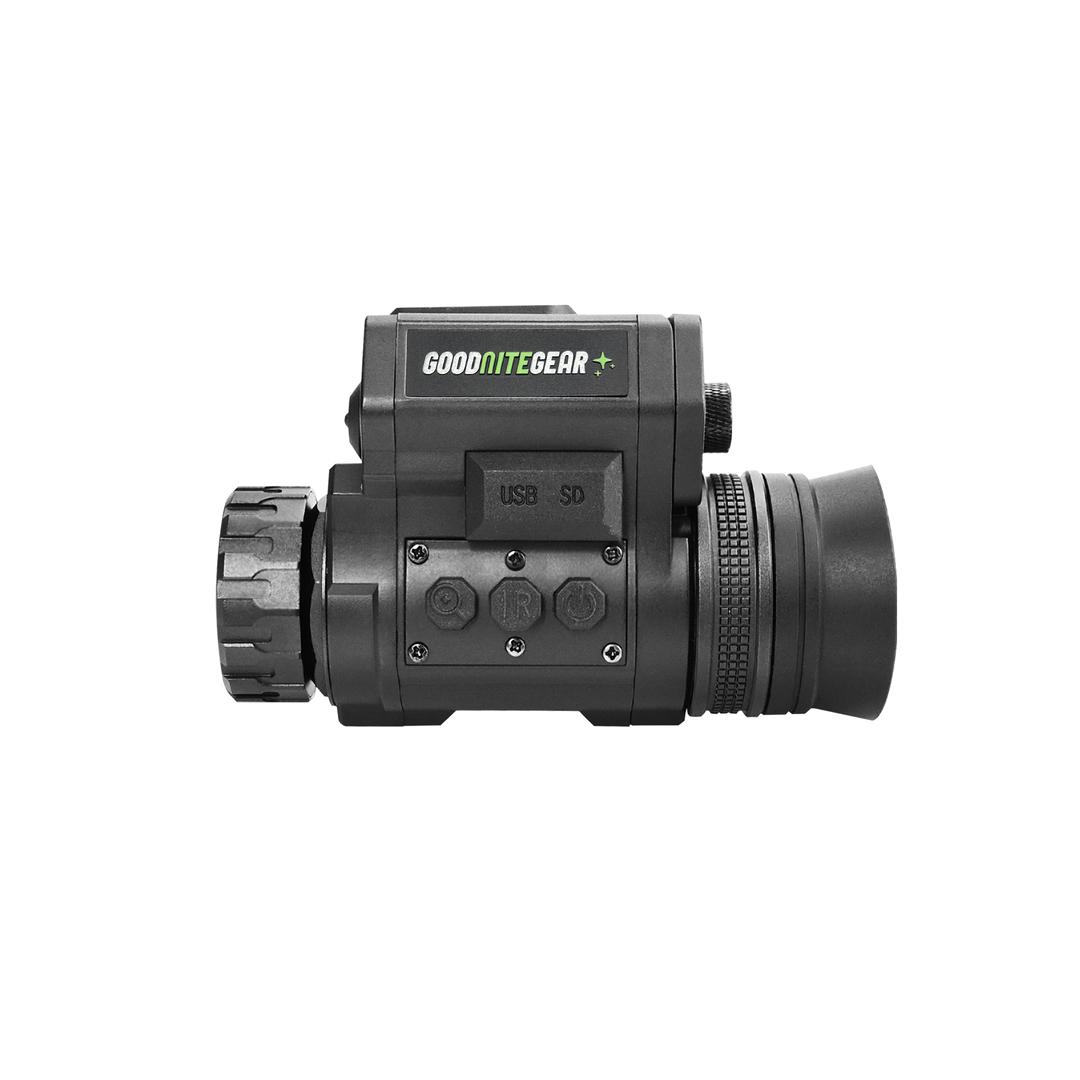
IR Illuminators: The Prowl 2 runs dual IR LEDs. The 940nm LED produces virtually no red glow, making it the better choice for close-quarters situations where staying covert matters. The 850nm LED is the workhorse for distance — Nightfox rates it up to 150 yards in pitch black conditions on higher power settings.
Display: The viewfinder houses a 2-inch LCD at 480x360 resolution. It's modest, but the recorded footage outputs sharper than what you see on the screen — so don't judge the device entirely by its display.
Charging and Storage: USB-C charging input and a Micro SD card slot sit behind a port cover on the side. The SD card comes included, which is a nice touch.
Battery: The Prowl 2 runs on a standard 18650 cell with approximately 4 hours of runtime in night mode. The battery compartment now unscrews cleanly — a quality-of-life upgrade over the original Prowl, which required a screwdriver to access. Keeping a spare 18650 on hand essentially eliminates runtime as a concern.
Mounting: A screw-in dovetail adapter is included, though the mount itself is sold separately. The adapter is polymer — not the most rugged solution — but it's configurable over either eye, which is a practical plus.
Real-World Footage: Trail Test With No IR
One of the more interesting tests with the Prowl 2 was running it in true passive mode — night mode active, zero IR illumination — on a dark trail. Conditions were legitimately challenging: a full moon night, but the moon hadn't risen yet, leaving minimal ambient light.
The Prowl 2 held up better than expected. Open areas performed well, but it also maintained usable visibility through dense tree cover and heavy shadow — situations where a lot of budget devices fall apart quickly. The stock lens configuration gives you approximately a 63-degree combined field of view, which is wide enough for navigation and general observation.
Worth noting: the footage is captured with the device in night mode. Running it in daylight mode won't give you a usable image after dark, so make sure you're dialing in your settings before heading out.
How It Compares: Prowl 2 vs NVG30, NVG50, and PVS14

In a stepped low-light comparison with no IR — tested against the original Prowl, the NVG30, the NVG40, the NVG50, and a Gen 3 analog PVS14 — here's where the Prowl 2 landed:
- vs. Original Prowl: Clear improvement. The sensor upgrade is real and visible.
- vs. NVG30 / NVG50: The Prowl 2 doesn't quite match these in passive low-light performance — they pull ahead in the darker stepped conditions.
- vs. Gen 3 PVS14: Not in the same conversation. Analog Gen 3 is a different category entirely, and the price reflects that.
For a device in the Prowl 2's price range, finishing in that company is a solid result. It's meaningfully better than what your naked eye gives you in low light, and better than its predecessor.
Bonus: Thermal Fusion Compatibility
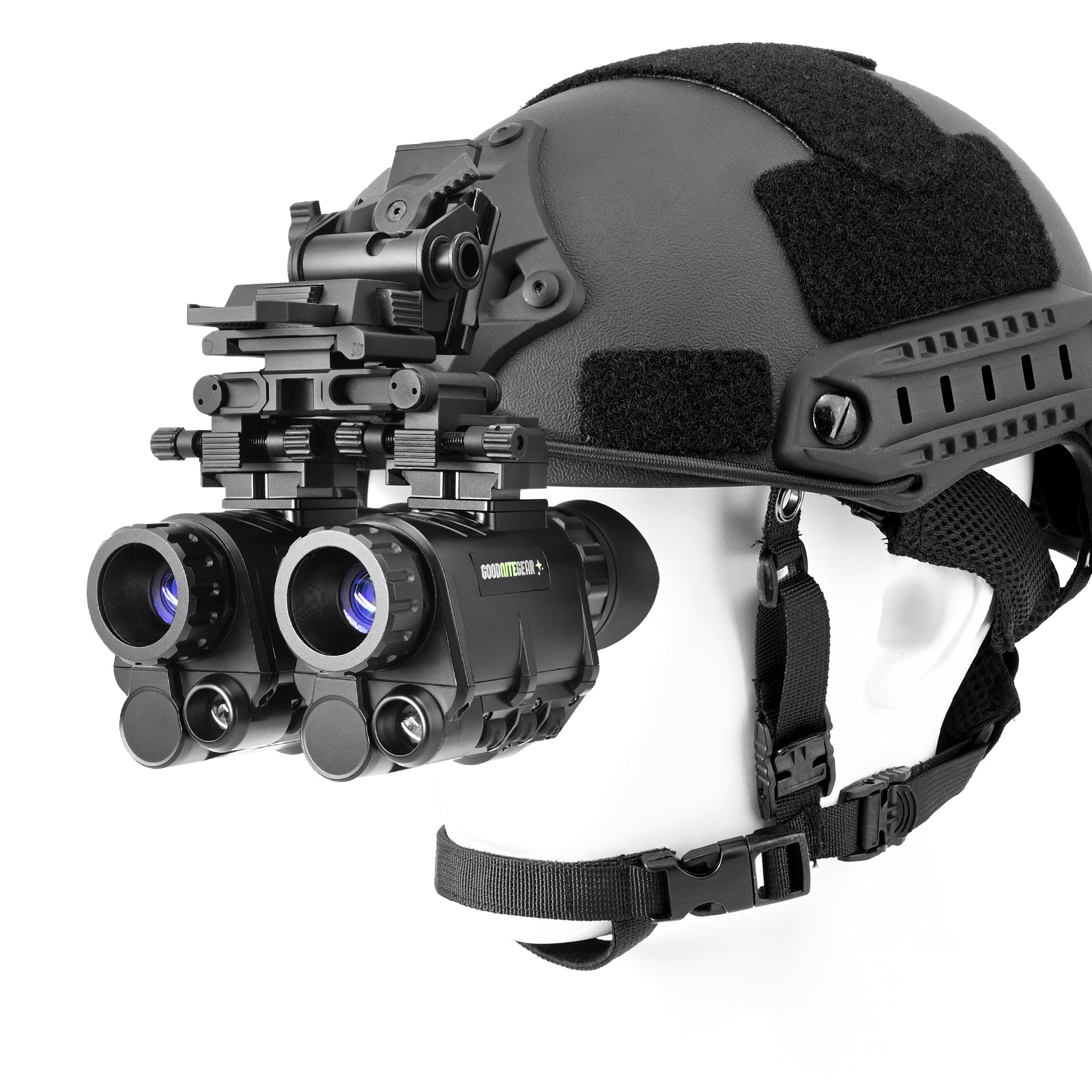
One of the more compelling aspects of the Prowl 2 is that it shares its body design with Nightfox's Arctic thermal monocular. That means both devices can be combined on a bridge mount for a full thermal fusion setup — digital night vision in one eye for navigation, thermal in the other for detection. Your brain blends the two images in real time, giving you the best of both technologies simultaneously. For the price point, this is one of the most accessible thermal fusion configurations available. If that setup interests you, there's a dedicated video on the channel walking through the full build.
Final Verdict
The Nightfox Prowl 2 is a meaningful upgrade over the original — not a cosmetic refresh. The IMX662 sensor delivers noticeably better image quality, the multi-lens bundle adds real versatility, and the small hardware improvements like the tool-free battery compartment show that Nightfox paid attention to user feedback. The polymer dovetail adapter and modest screen resolution are the only things worth flagging, and neither is surprising at this price.
If you're in the market for an entry-level digital night vision monocular and want headroom to grow into a fusion setup down the road, the Prowl 2 deserves serious consideration.

