




Thermal fusion used to mean spending serious money. That's changed. Right now there are two helmet-mounted thermal fusion setups available for around $700 each — the Nightfox Prowl 2 paired with the Nightfox Arctic thermal for the Nightfox Thermal Fusion, and the Night Operators Viper + Heat digital night vision (Save 10% off with code URBAN ) combined with their Heat thermal monocular. If you're looking to get into thermal fusion without dropping $3,000+, one of these two kits is probably where you're starting. Here's how they stack up.
What Is a Side-by-Side Thermal Fusion Setup?
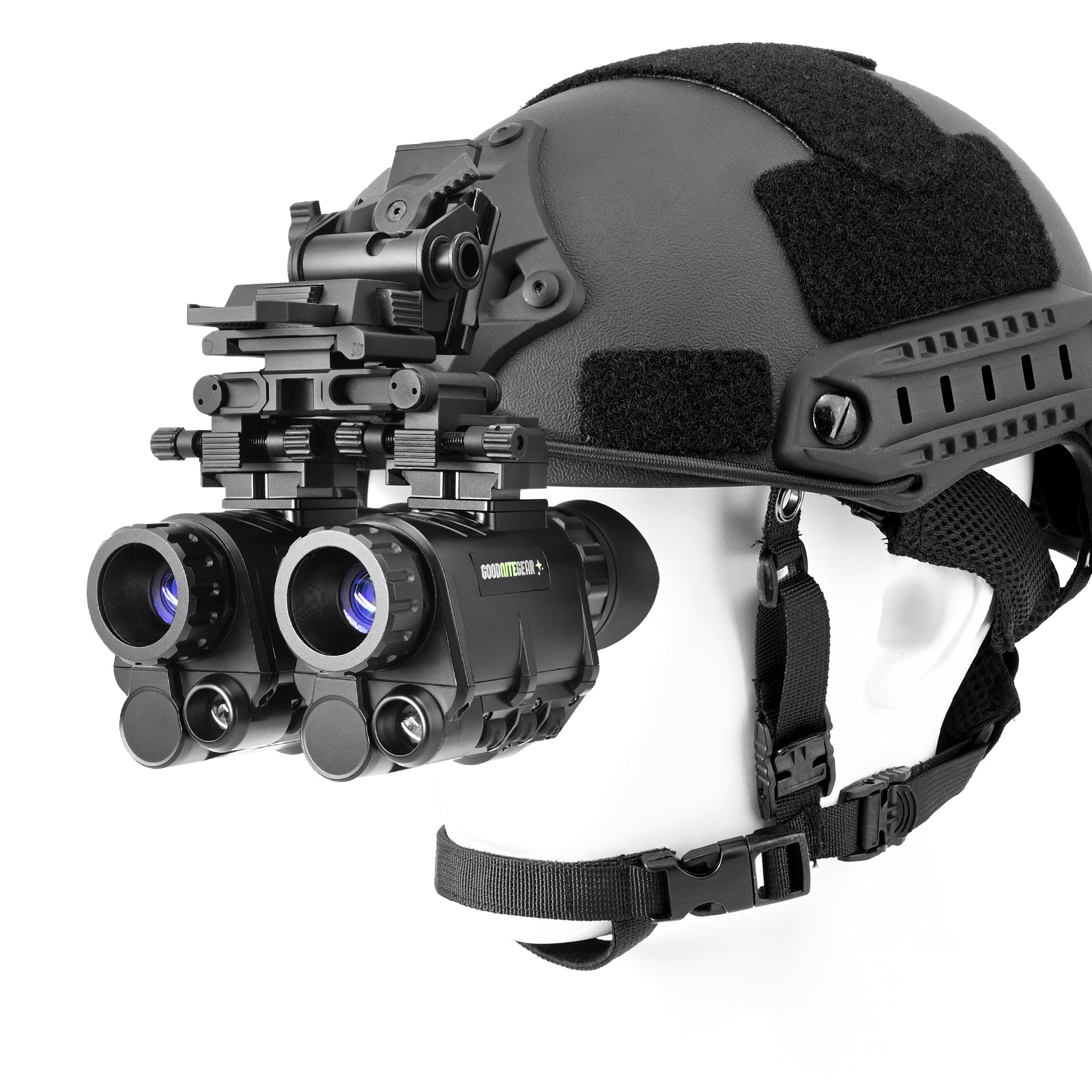
Both of these systems are what the industry calls side-by-side fusion setups. One eye gets digital night vision, the other gets thermal, and your brain combines the two images in real time. It's a different experience from integrated fusion devices like the GF20 or GF31 — which fuse both sensors into a single display — but those systems cost significantly more. At the $700 price point, side-by-side is what's available, and the quality of that fusion experience varies more than you'd expect between systems.
The Hardware
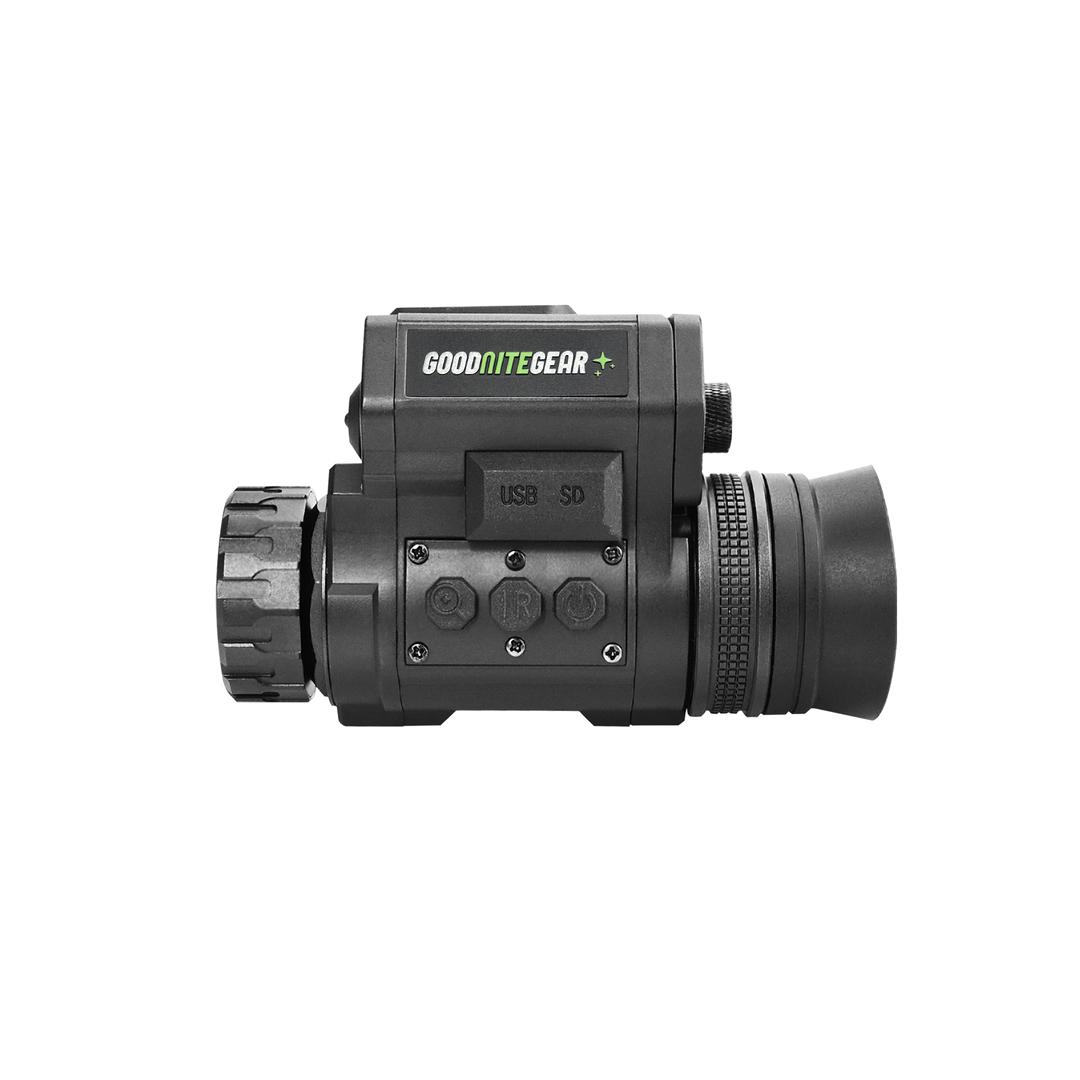
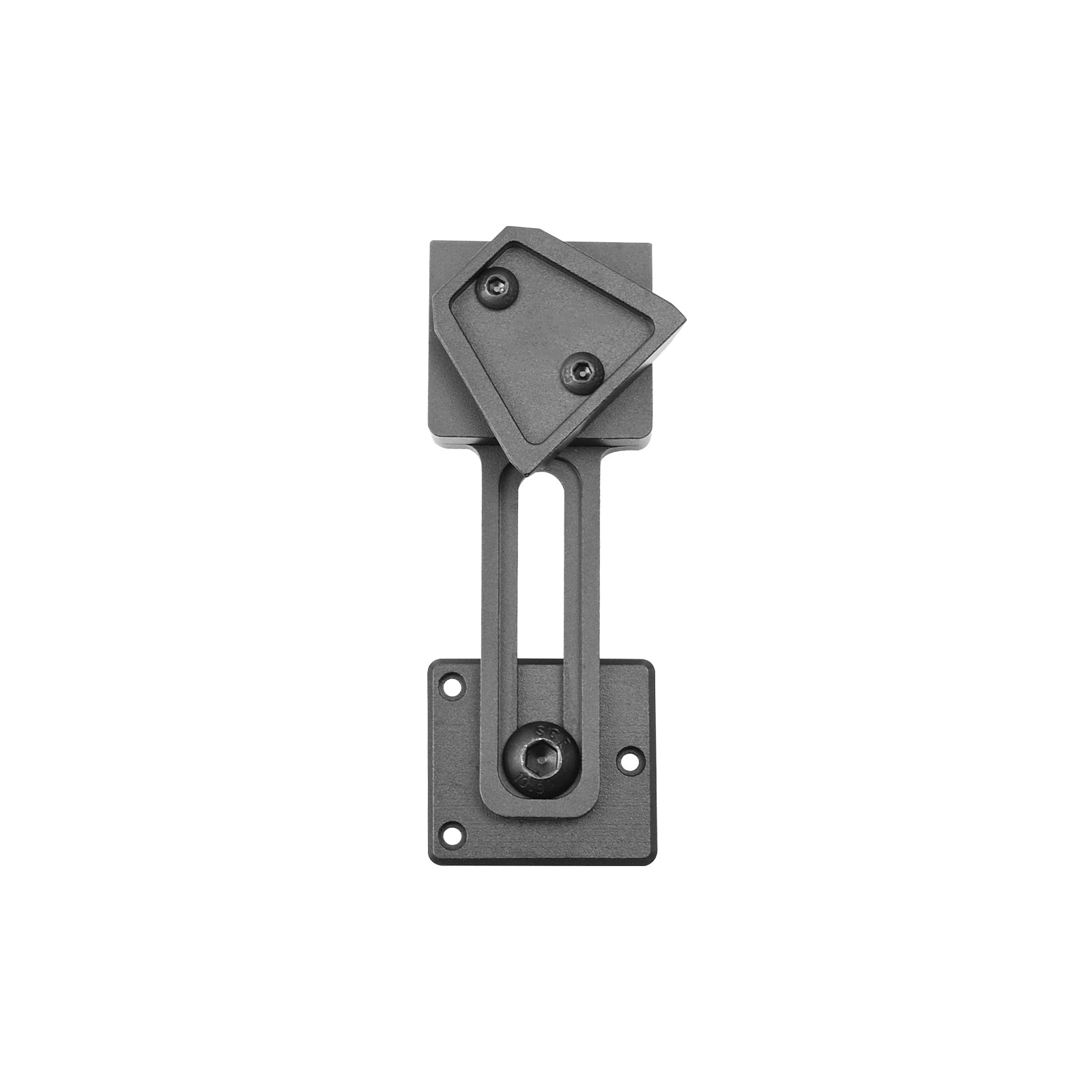
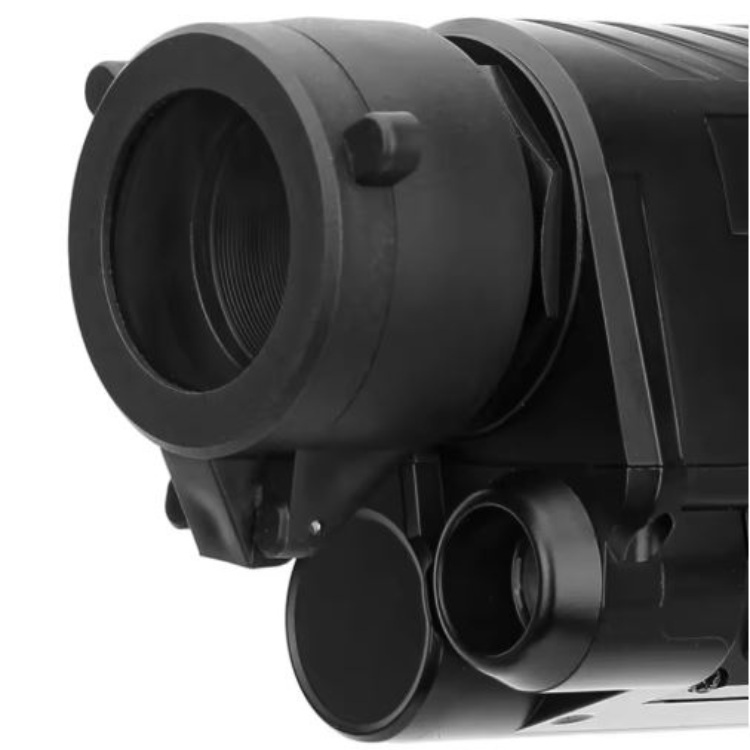
Nightfox Prowl 2 + Arctic The Nightfox kit pairs the Prowl 2 digital night vision monocular with the Arctic thermal. One of the most practical advantages of this setup is that both units share an identical body design, which means either device can be mounted over either eye. That gives you real configuration flexibility depending on your dominant eye or preference. Both devices also have built-in video recording — a meaningful feature that the Night Operators system doesn't offer at all. The dovetail adapter is polymer, which is the one area where the Night Operators build has an edge.
Night Operators Heat + Viper The Night Operators kit pairs the Viper digital night vision with the Heat thermal monocular. Due to the body design and battery compartment placement, the Heat thermal can really only be positioned over the left eye — you don't get the same mounting flexibility as the Nightfox system. Neither device includes video recording, which makes capturing footage for review or documentation significantly more cumbersome. The Viper is an upgrade over Night Operators' earlier Max 2.0 — it now runs on 18650 batteries rather than a built-in cell, which is a meaningful improvement for field use — though the actual low-light performance appears to be roughly the same as its predecessor. The aluminum dovetail adapter is a build quality advantage worth noting.
Both systems are compatible with Wilcox mounting solutions via their respective dovetail adapters.
Night Vision Performance
On raw digital night vision performance, the Prowl 2 has a clear edge over the Viper. In a stepped low-light comparison against both devices and the NVG50, the Prowl 2 outperforms the Viper in passive low-light conditions — meaning you'll be less dependent on active IR illumination with the Nightfox system, which matters if keeping your IR signature minimal is a priority.

That said, both devices fall into the budget category and will rely heavily on IR lighting in most real-world dark conditions. Both fall off significantly past the second stepped lighting level in testing, while the NVG50 still produces a usable image at level three — putting the NVG50 a step ahead of both in passive low-light performance. One hardware note in the Prowl 2's favor: both it and the Viper run at 60FPS, while the NVG50 runs at 40FPS, so the budget fusion devices have a framerate advantage over the NVG50 despite trailing it in low-light sensitivity.
Thermal Performance
Both the Nightfox Arctic and the Night Operators Heat are the dominant options in this price range for budget thermal, and they differ in a few meaningful ways.
The Night Operators Heat runs a 296x192 sensor at 60Hz with a wide 45-degree field of view and 25mK thermal sensitivity. That wide FOV is a genuine advantage in a helmet-mounted fusion configuration — more of your environment is covered by the thermal overlay, which is exactly what you want when your brain is doing the work of combining two separate images.
The Nightfox Arctic runs a 256x192 sensor at 50FPS with a slightly better sub-30mK sensitivity rating, but its field of view is considerably narrower at just under 24 degrees. The Arctic does edge out the Heat on detection range — 150 meters versus 100 — and brings IP65 weatherproofing and a 9-hour battery life to the table. Both sensors share the same 12-micron pixel pitch, so the underlying sensor technology is comparable.
For fusion purposes specifically, the Heat's wider FOV generally makes it a more natural fit for helmet-mounted thermal overlay work. A dedicated deep-dive comparing these two thermals head-to-head is coming, but that's where things stand for this build.
The Fusion Experience
This is where things get interesting. Running the Prowl 2 in black and white mode paired with the Arctic in red hot palette gives you a combination that works reasonably well. In Prowl 2 pairing mode, the Arctic's display shrinks slightly and shifts toward the left side of the screen — the result is a solid night vision view of your peripherals with thermal centered toward the right of your combined field of view. Your brain can fuse these together effectively, and the color contrast between black-and-white NV and red hot thermal helps the brain distinguish and combine the two signals.
Night Operators runs a light blue-white phosphor emulation on the Viper, which doesn't pair as cleanly with the Heat's thermal palettes. Running both in red hot for consistency, the fields of view between the two devices align almost perfectly — requiring no adjustment to get the overlay working — and the fusion experience is notably seamless. On the fusion experience alone, Night Operators has the edge. The full-screen thermal effect and the near-perfect FOV alignment give it a slight but real advantage in that specific category.
Which System Should You Buy?
After running both setups through their paces, the Nightfox kit is the stronger all-around package for most buyers. The Prowl 2 outperforms the Viper in night vision, both units can be mounted over either eye giving you full configuration flexibility, and built-in video recording on both devices is a feature Night Operators simply doesn't offer. The polymer dovetail is the one legitimate trade-off compared to Night Operators' aluminum build, but it doesn't outweigh the rest of what the Nightfox system brings.
Night Operators has a slight advantage in the fusion overlay experience specifically, and the aluminum hardware is a nice touch — but at this price point those are minor points compared to the Nightfox kit's broader feature set.
If budget thermal fusion is where you're starting and you want the more versatile, capable, and well-rounded system, the Nightfox Prowl 2 and Arctic is the direction to go. If you're ready to step up to a more advanced integrated fusion setup, the GF20 or the GF31 is the next logical move — and a significant jump in the fusion experience.
Both systems are available at Good Nite Gear. Browse the full night vision and thermal fusion collection and use code US10 at checkout to save 10% on your order.

