



NVG50 vs NVG30: Which $500 Night Vision Device Should You Buy?
There are a handful of great digital night vision monoculars in the $500 range, but two standouts are the NVG30 and the NVG50. So how do you decide between the NVG50 and the NVG30?
Here's a video breaking them down in more depth:
For those who want a quick summary, here are the highlights.
Quick Comparison
| NVG50 | NVG30 | |
|---|---|---|
| Screen resolution | 2560×1440 | 1920×1080 |
| Latency | Slightly lower | Slightly higher (still good) |
| Battery | 2× 18350 | 1× 18650, slightly longer runtime |
| Mount compatibility | Wilcox-compatible with Z04 | Wilcox-compatible with Z04 |
| Price | $500 | $400 |
| Footprint | Smaller, more compact | Larger |
NVG50

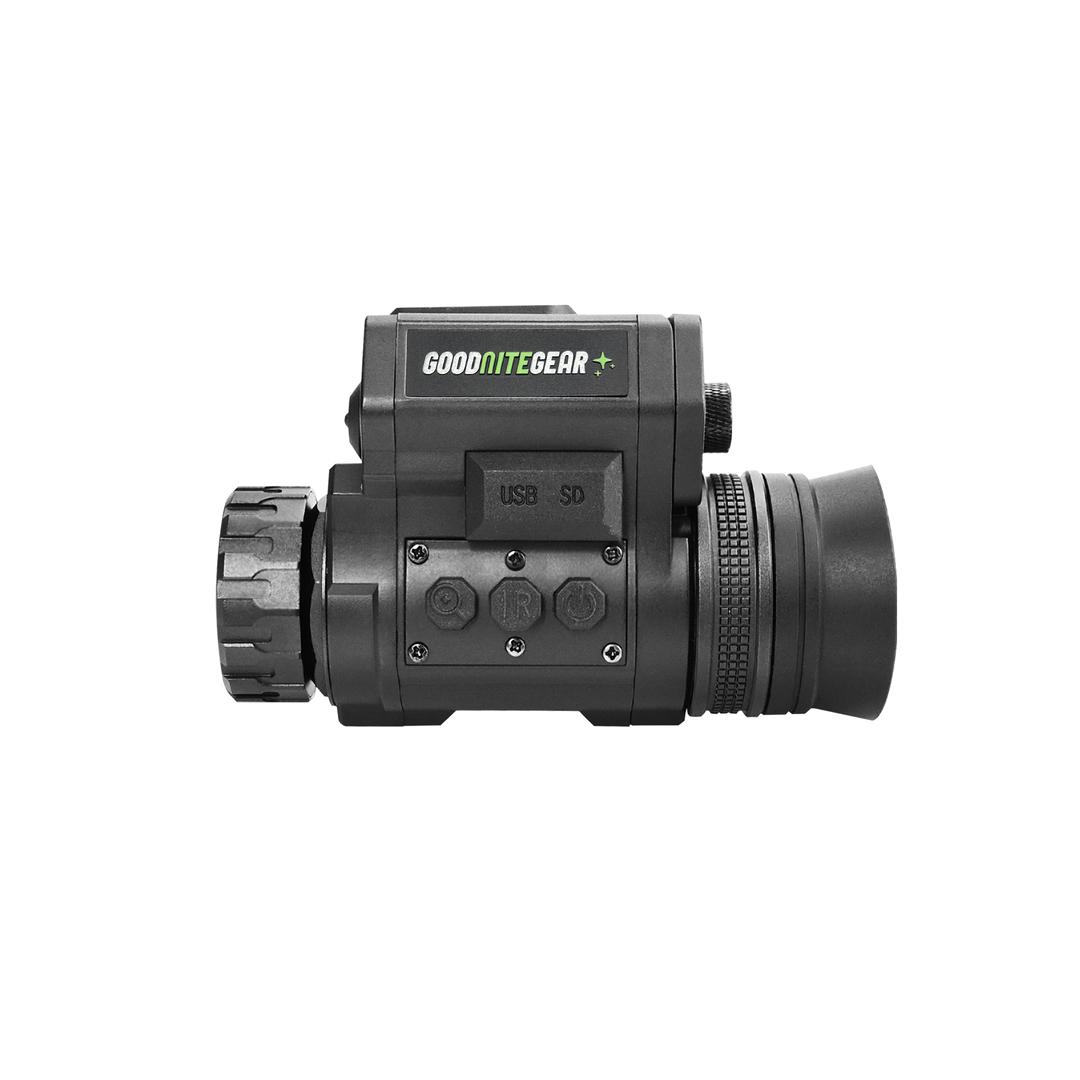
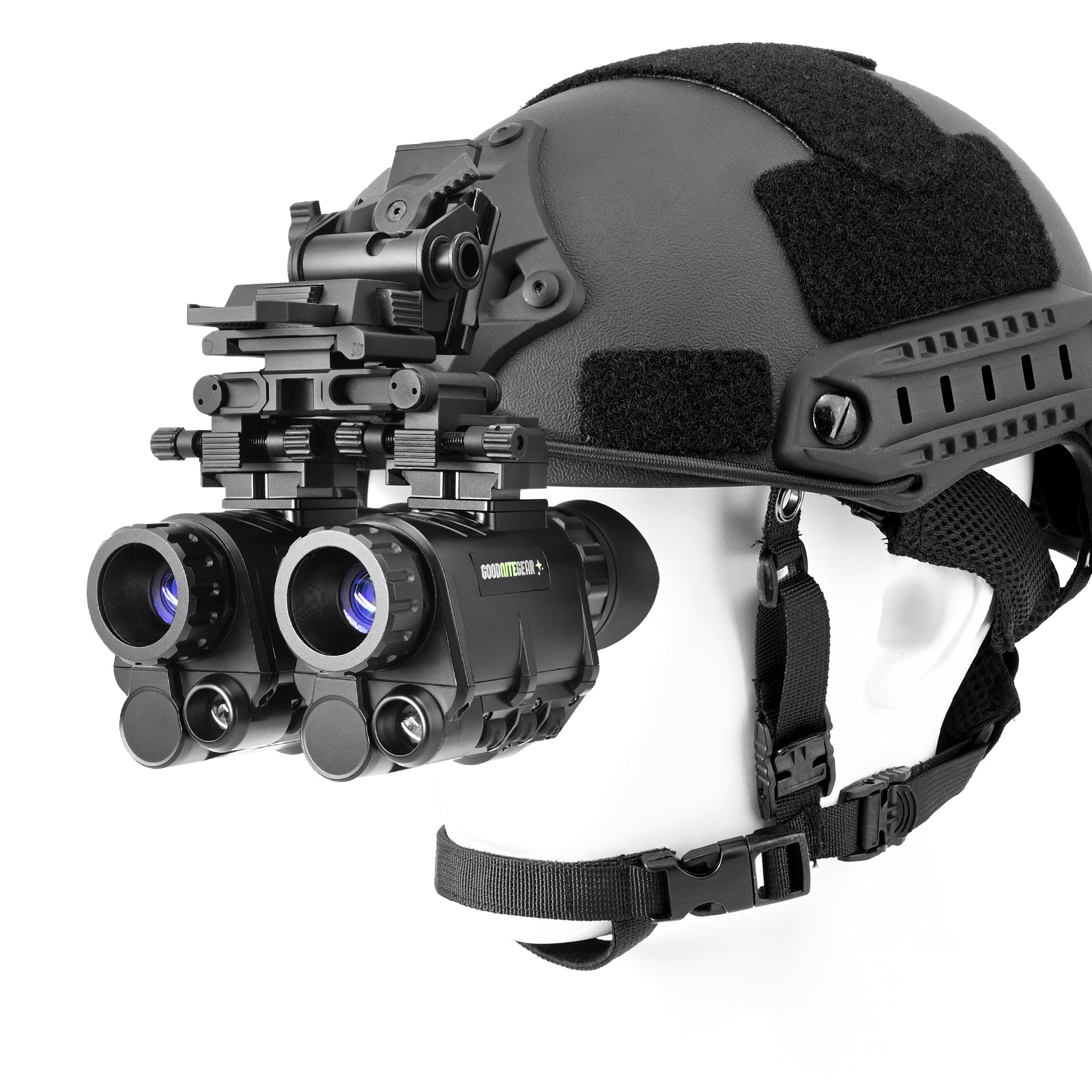
The NVG50 is the newer model. It was released about a year after the NVG30 and features a smaller body and a slightly more rugged housing design. In many ways it's superior to the NVG30, but the main downside is a lack of compatibility with Wilcox mounts — disappointing, since it limits your mounting options, though the included mount is still sufficient for most people. There's also a night vision bridge that works with the NVG50 if you want to run a bino setup.
If you plan on running a single monocular on a helmet and don't want to spend more on mounting solutions, the NVG50 is the way to go.
Pros
- Higher resolution viewing screen (2560×1440)
- Better form factor and build quality
- Slightly less latency — better for rapid movements
- External battery pack available
- Rail mounting option
Cons
- Slightly less runtime due to smaller battery capacity (2× 18350)
- Slightly more expensive than the NVG30
NVG30

The NVG30 is one of the best-selling digital night vision devices on the market. It significantly improves your nighttime viewing experience, and as long as there's some ambient lighting or moonlight available, you won't need to rely on IR lighting to see in the dark — and it's much better than the human eye in those conditions.
The NVG30 is very similar to the NVG50, with a few minor tradeoffs — but its main upside, is the price.
Pros
- Slightly longer runtime with 1× 18650
- About $100 cheaper than the NVG50
Cons
- Slightly less clear viewing screen (1920×1080)
- A little more latency (though still good)
- Larger device footprint
Similarities Between the NVG50 and NVG30
Both devices share many of the same menu items and features. They both support USB-C charging and use microSD cards for video recording. Low-light performance — with and without IR lighting — is very comparable between the two units, as is field of view. They come with the same stock accessories and mount, both run at 30/60 FPS, and both can be used as a single monocular or bridged together for a binocular setup.
At the end of the day, both devices are still highly capable and among the best budget night vision devices on the market — you really can't go wrong with the NVG50 vs. the NVG30.

