



All tactical helmets can look pretty similar at a glance, but each type is built for a specific purpose. Bump helmets and ballistic helmets serve genuinely different functions — and understanding the practical distinctions between them will help you choose the right one for your needs.
Getting this right matters for performance and safety in:
- Rescue missions
- Tactical operations
- Training settings
Selecting the appropriate helmet — like the GNG Tactical Night Vision Bump Helmet - Sand — means real operational comfort and mission readiness, provided it's matched to the actual threat level you're operating in.
What Is a Bump Helmet?
A bump helmet is a tactical, non-ballistic helmet. It protects against debris, hard collisions, and general head injury — but it will not stop a bullet. That distinction matters, and it's important to be clear about it upfront.
Bump helmets work well for:
- Search and rescue operations
- Confined-space operations
- Climbing and mountaineering
- Training settings
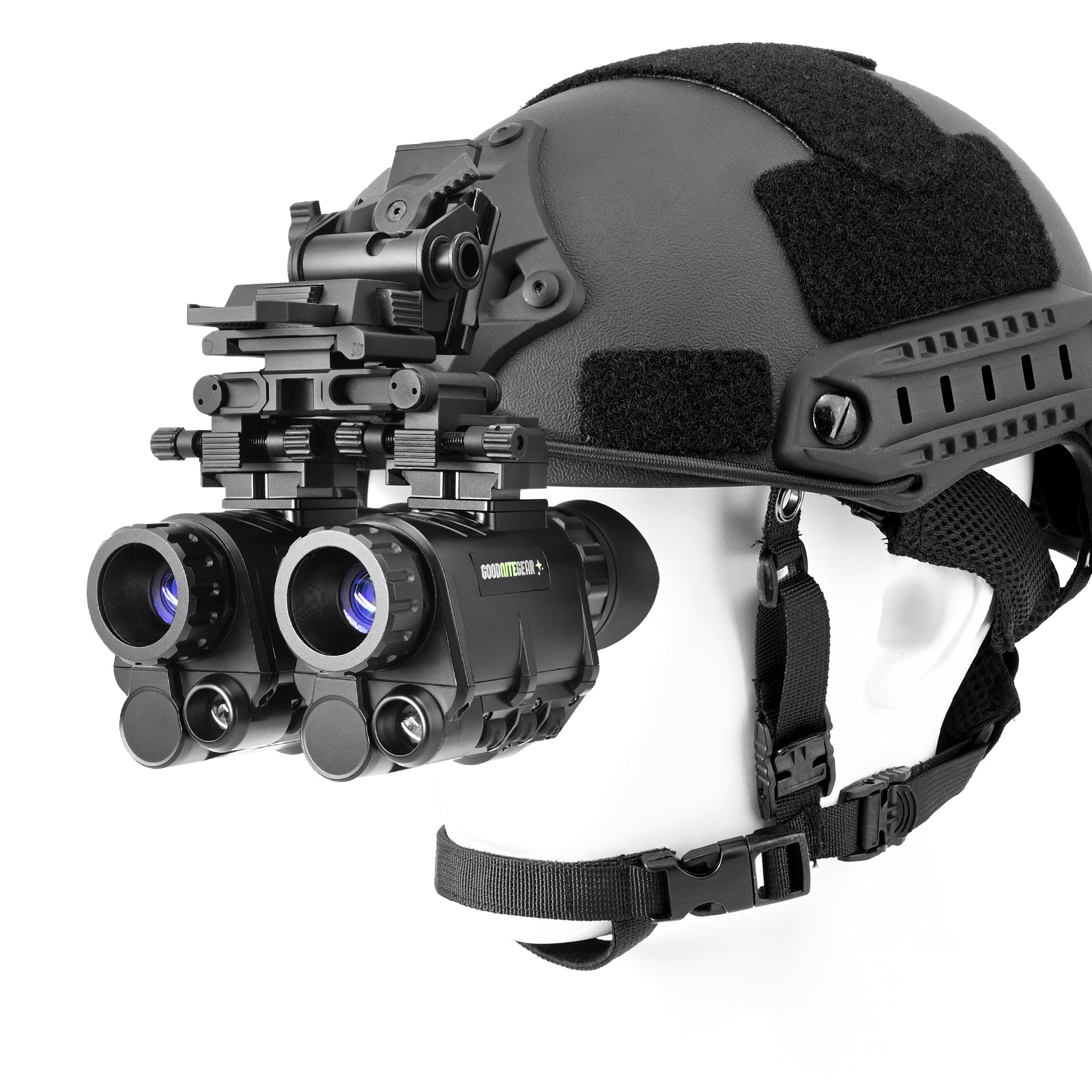
The lightweight design of GNG Tactical Bump Helmets makes them noticeably more comfortable for extended wear. They also typically offer modular mounting options for:
- Spotlights
- Night vision devices
- Communication equipment
What Is a Ballistic Helmet?
Ballistic helmets are built to withstand projectile strikes, including bullets. They're commonly used by law enforcement and military personnel, and are usually rated to NIJ Level IIIA, offering protection against fragmentation and pistol-caliber threats.
A ballistic helmet is also known by two other names:
- Tactical helmet
- Bullet-resistant helmet
Ballistic helmets are heavier than bump helmets, but they still accept tactical attachments while offering meaningfully better protection in high-risk or conflict situations. Good Nite Gear doesn't currently carry ballistic helmets — if gunfire is a realistic possibility in your use case, make sure you're sourcing a properly NIJ-rated ballistic helmet from a specialized provider rather than relying on a bump helmet.
Bump Helmet vs. Ballistic Helmet: How to Choose
Level of Protection
For activities where gunfire isn't anticipated but head protection is still necessary — training, rescue work, climbing — a bump helmet like the GNG Tactical Night Vision Bump Helmet - OD Green is the right call.
If ballistic threats are a real possibility in your environment, choose a properly rated ballistic helmet instead — no bump helmet, regardless of brand, is a substitute for genuine ballistic protection.
Comfort and Weight
Bump helmets offer better ventilation and meaningfully less weight, which reduces fatigue over long wear. Ballistic helmets are heavier, but that added weight buys real protection that can matter enormously in a genuine high-risk situation.
Materials
The GNG Tactical Night Vision Bump Helmet - Black is built from ABS plastic, prioritizing impact resistance and low weight rather than ballistic protection.
Ballistic helmets, by contrast, are typically constructed from aramid fibers (like Kevlar) or polyethylene composites, and are tested against NIJ ballistic standards specifically — a fundamentally different construction and certification process than a bump helmet undergoes.
The Bottom Line
A bump helmet is a practical, comfortable choice for head protection when ballistic resistance isn't the concern. But only a genuine ballistic helmet protects against gunfire — a bump helmet should never be treated as a substitute in a scenario where that risk is real.
Before buying protective gear, think honestly about your mission type, environment, and actual threat level. The helmet you choose now determines your protection and readiness when it counts — so weigh the real risk level above every other factor, including comfort and price.
Shop the best bump helmet picks from Good Nite Gear!

