
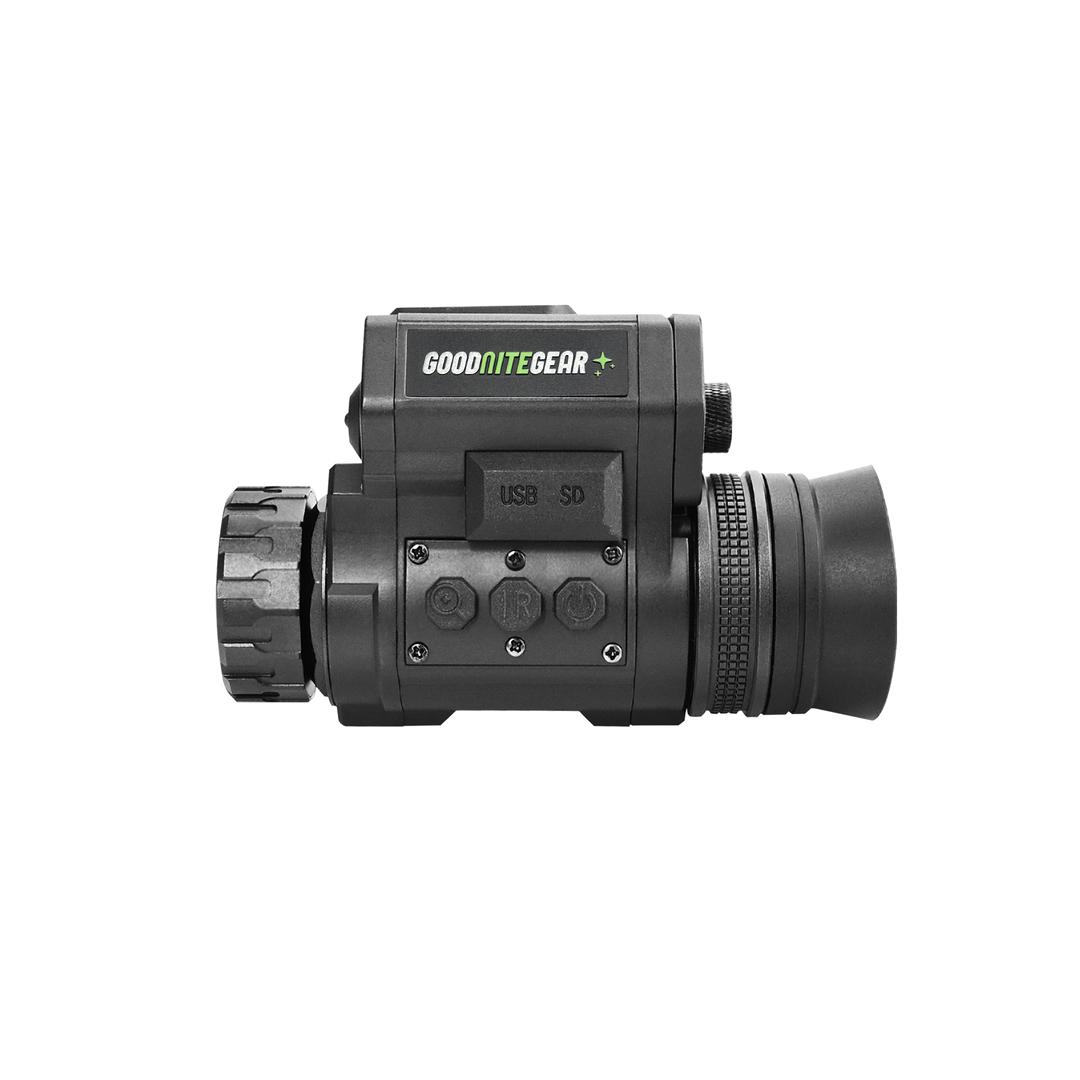

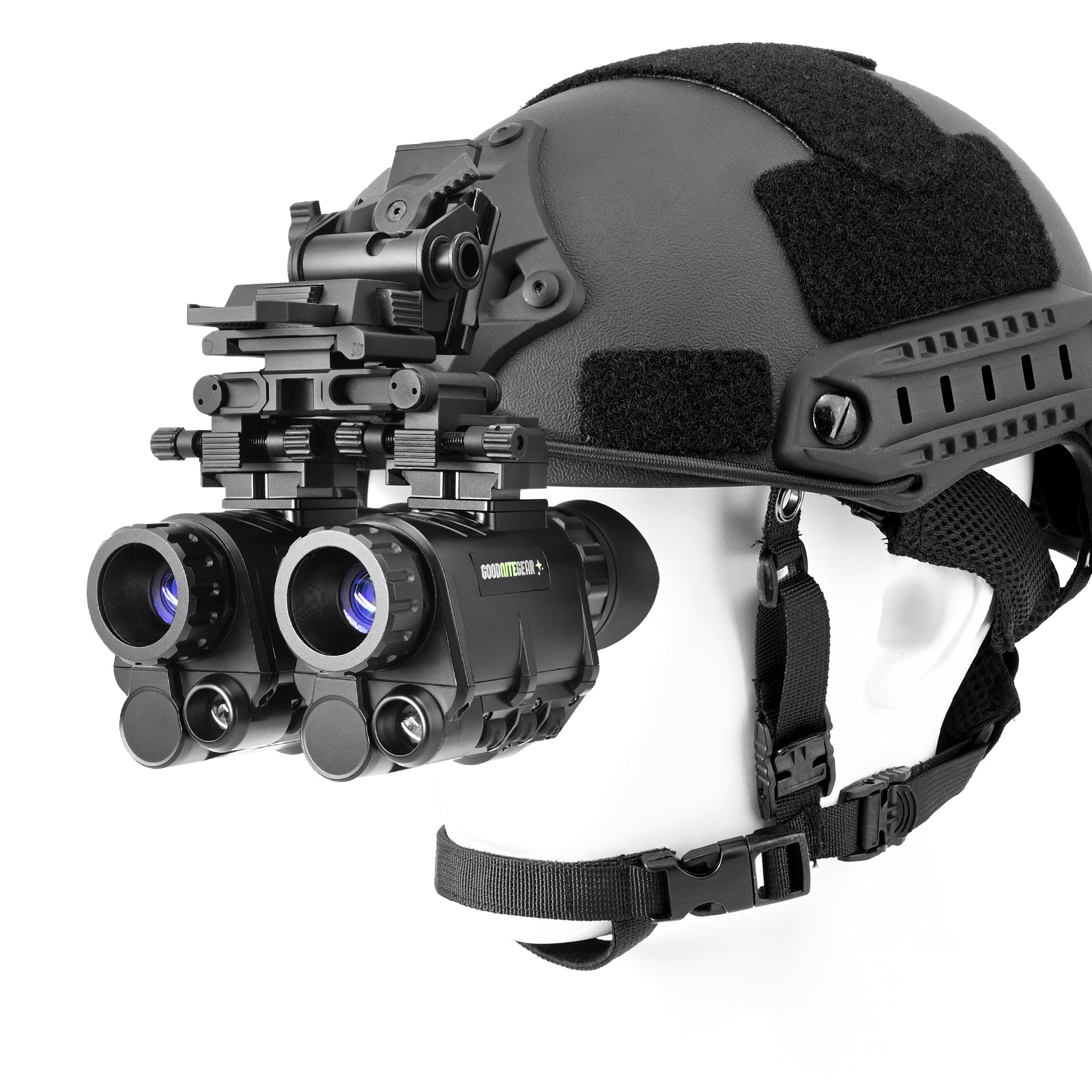


So you've recently picked up a thermal monocular as a night vision tool, but you're wondering: do thermal monoculars work during the day? The short answer is yes.
Thermal monoculars work both during the day and at night. They detect heat emitted by objects in the environment as infrared (IR) radiation. Technically speaking, you're visualizing objects based on their temperature, not the light reflecting off them.
Night Vision With Thermal Monoculars
Thermal imaging lets a device operate in total darkness, which is what genuinely sets it apart from traditional night vision.
Standard night vision goggles (NVGs), for comparison, depend on the presence of ambient light. Without any ambient light at all, you get complete darkness and no image — a limitation thermal simply doesn't share.
Uses of Thermal Monoculars
Thermal monoculars have become increasingly important in tactical operations. Other valuable applications include search and rescue in low-light conditions, and wildlife observation at night in genuinely complete darkness.
Check out our full range of thermal monoculars.
Do Thermal Monoculars Work During the Day?
Unlike other night vision instruments, a thermal monocular doesn't depend on dim or ambient light at all — it detects heat. A heated body emits IR radiation, and that radiation is what the device is actually reading.
Since heat sources are present both day and night, there's no real question about daytime functionality. You get the full benefit of thermal imaging even in daylight, when sunlight makes everything else visually obvious anyway.
How Does Daytime Thermal Imaging Work?
Thermal monoculars work in both daylight and darkness, but getting the most out of one during the day takes a bit more skill — and that comes down to how heat behaves in sunlight.
An Object's Own Heat vs. Sunlight's Heat
During the day, objects absorb direct sunlight, which raises their surface temperature — and a hotter surface emits more heat.
Living things emit heat from their own body temperature, but non-living objects heated by the sun follow the same basic pattern. That overlap is exactly what makes distinguishing living from non-living things by heat alone genuinely more challenging during the day.
How Modern Thermal Monoculars Handle This
Modern devices are built to handle this tricky overlap. Features like adjustable contrast and configurable temperature range settings solve much of the problem, letting you optimize the image even against a challenging, sun-heated background.
Adjusting sensitivity level and detail settings helps differentiate between heat sources that would otherwise blend together, keeping the image genuinely usable.
Shop our full lineup of thermal monoculars now!
Do Thermal Monoculars Work in Bright Sunlight?
Yes — though bright sunlight does make things more challenging. Heat imaging can become cluttered when numerous heat-emitting sources are present at once.
Buildings, vehicles, and other objects sitting at similar heat levels to your actual target can crowd the scene. Modern thermal monoculars address this with features that let you distinguish between subtle heat variations, even in a busy, sun-heated environment.
The Bottom Line
So, do thermal monoculars work during the day? Yes — thermal monoculars operate effectively both during the day and at night, including in total darkness where standard night vision simply can't function.
The one real consideration for daytime use: multiple living and non-living objects sitting at similar heat levels can make the imaging process more challenging. Modern devices with adjustable sensitivity and contrast settings handle this well, but it's worth knowing going in.
Shop the best thermal monoculars at Good Nite Gear online!

