
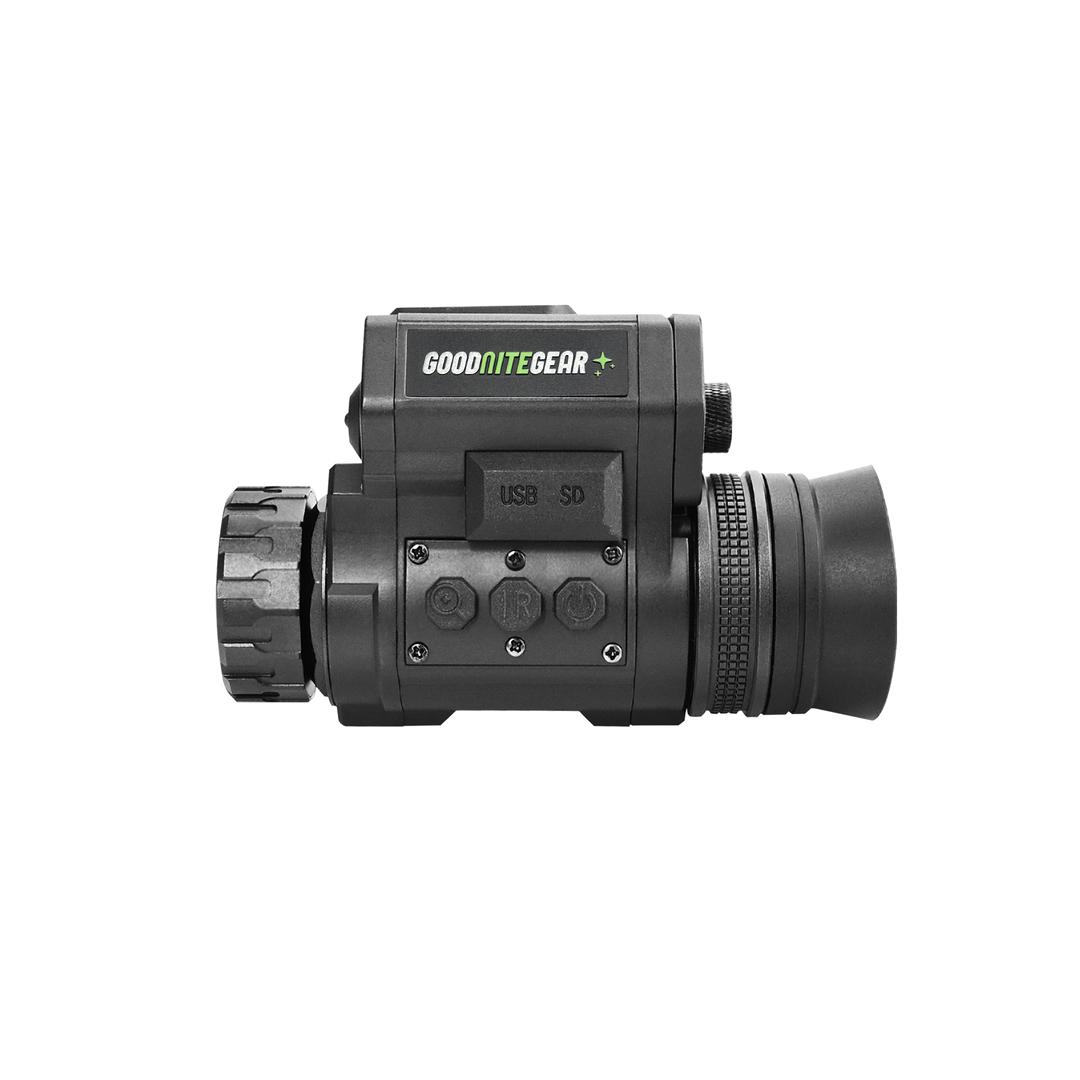

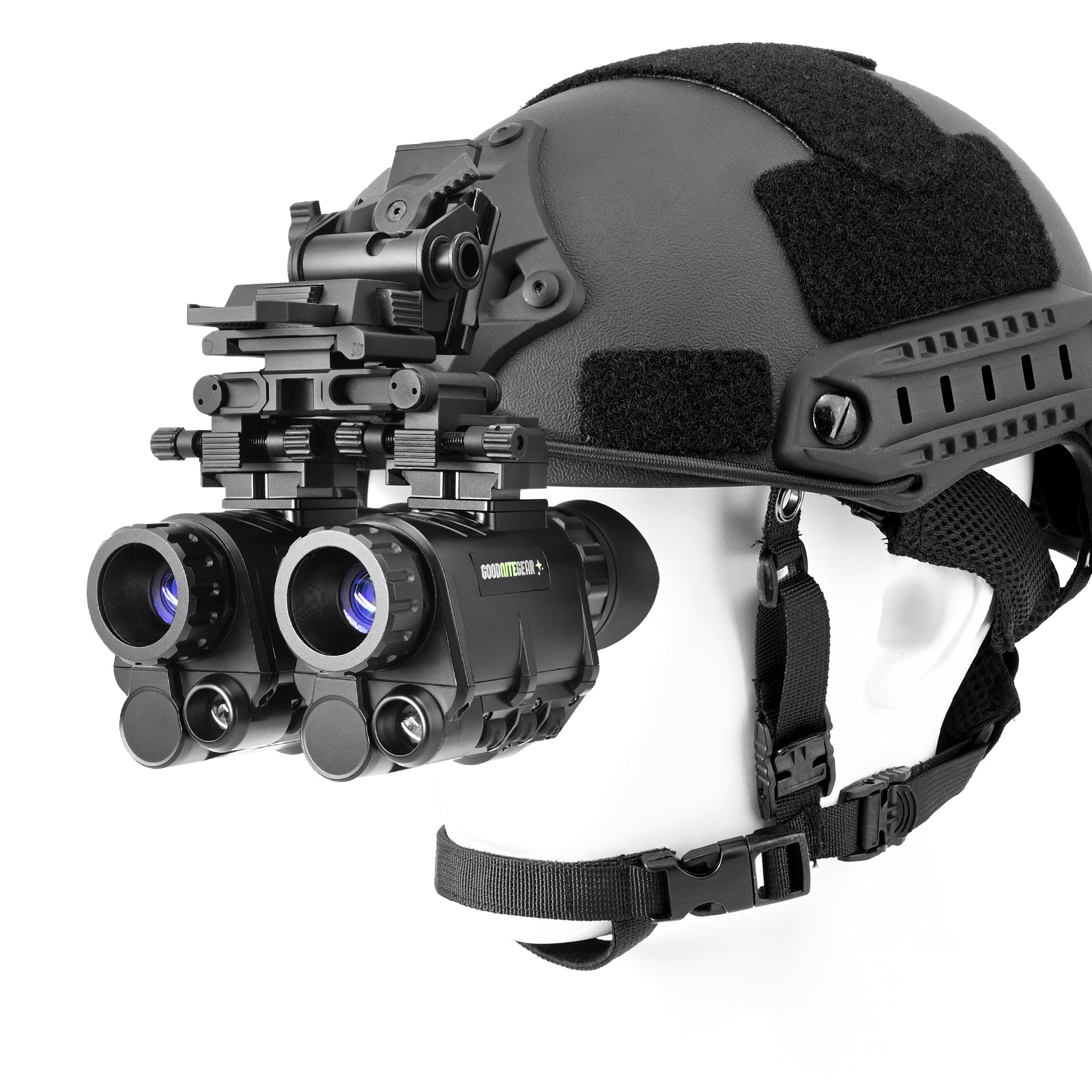


Night vision goggles can rightly be called a miracle of science. They enable the human eye to see in the dark by exploiting the scant light already present at night, amplifying it, and turning it into something the eye can actually use.
While this post focuses on the analog science behind night vision, digital night vision is also available at Good Nite Gear if you're comparing your options.
Is There Light at Night?
There's always some light in the sky — the atmosphere stays filled with it, day and night. During the day, the sun brightens everything directly. At night, after sunset, we lose that bright light and are left with dim light from the stars and moon. Starlight is scattered and low-intensity, which is exactly why we struggle to see objects clearly after dark.
The Science Behind Night Vision
Night vision becomes possible by intensifying that dim, low-intensity ambient light. The best digital night vision goggles do this with optical instruments that capture, amplify, and convert light into a visible image, through a process of amplifying the electrons within that light. This intensification is what lets us see the object clearly — typically shown as a greenish image.
What Is Ambient Light?
Ambient light is what lets us see objects at all — it's present nearly everywhere, and its presence is what makes things visible. In daylight, we see because of this light. It shouldn't be confused with direct sunlight specifically; ambient light is the broader, diffuse light present around us at all times, sunlight included but not limited to it.
What Is Infrared Light?
Sunlight is made up of many different wavelengths, and infrared is one specific wavelength within that spectrum — one the human eye can't see directly. Infrared light is emitted by any object with a temperature, which means virtually everything around you is, in some sense, a source of infrared light.
Why Is the Image Always Green in Night Vision Goggles?
Night vision goggles have a built-in phosphor screen. When amplified electrons strike that screen, the phosphor coating causes the resulting image to display in green.
Image Intensification, Step by Step
The image intensification process happens in three stages:
1. Light Collection
Lenses collect visible and near-infrared light and forward it to the next stage of the process.
2. Light Conversion
The collected dim light is converted into electrons. Light — made up of different wavelength packets — strikes a photocathode plate, and that strike produces electrons. The more tightly focused the collected light is on the photocathode, the greater the number of electrons produced.
3. Amplification
Those electrons are then amplified. A microchannel plate accelerates the electrons as they pass through it, multiplying their number significantly.
4. Phosphor Screen
When these amplified electrons strike the phosphor screen, the result is the greenish image you see through the eyepiece.
Final Words
So, how do night vision goggles work? They collect the dim ambient and infrared light already present in the atmosphere, then intensify and amplify that light through a multi-stage process that transforms it into a bright, usable image — letting you see clearly in conditions where the naked eye simply can't.
Good Nite Gear is the hub for the best night vision goggles for the money, with innovative features across every price point.

