
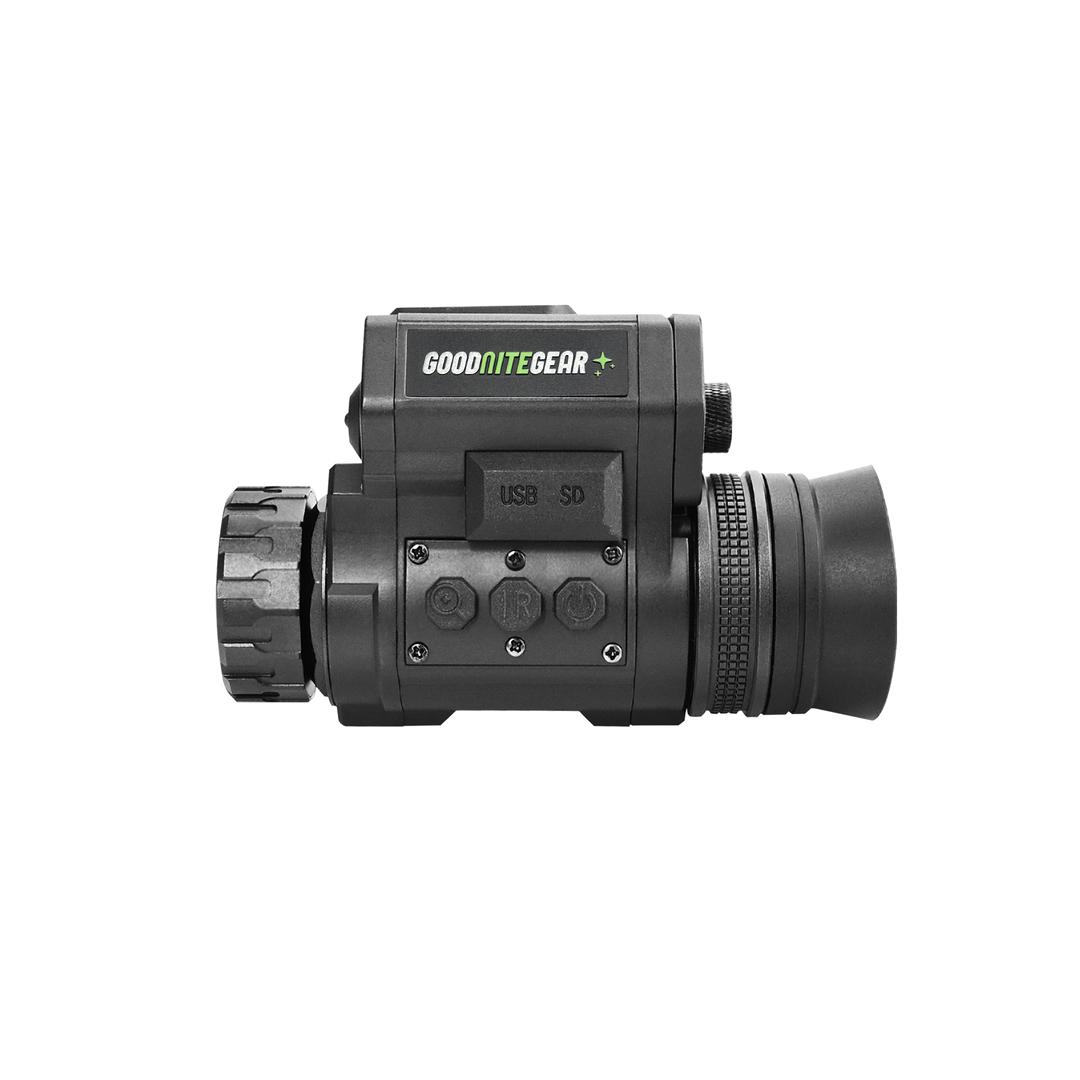

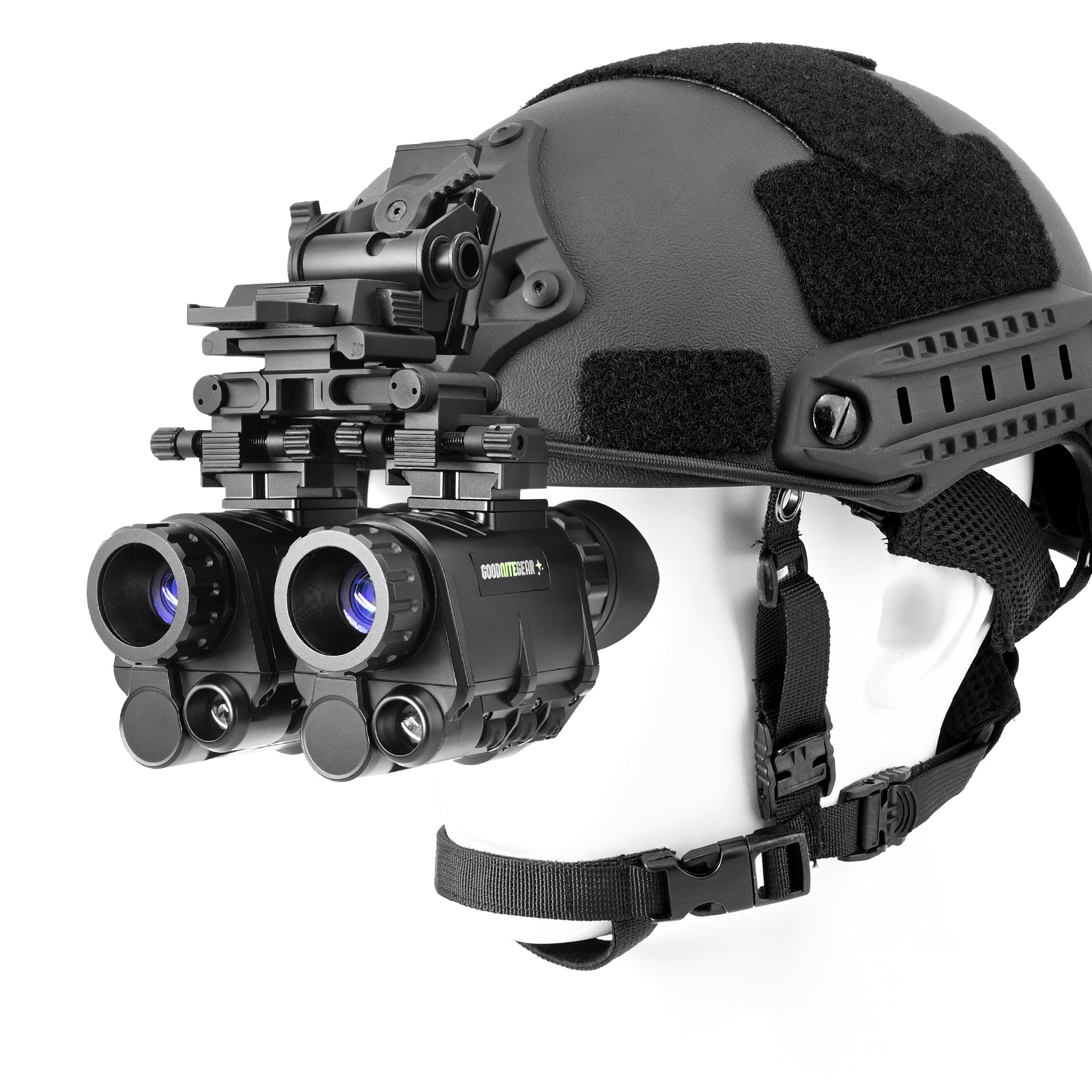


Night vision equipment was originally developed for military use, built to enable tactical operations and movement in low-light conditions. Since then, its reach has expanded well beyond the battlefield into:
- Law enforcement
- Security
- Hunting
- Airsoft
- Shooting sports
- Hiking
- Stargazing
The first two fields on that list remain largely professional applications. Everything else — hunting, camping, wildlife watching, and general recreation — is wide open to civilian use. That growth in adoption, combined with rapid technological advancement, has created real price competition based on specs and features.
Before breaking down pricing, it helps to understand the underlying night vision goggle technologies:
- Generation 1
- Generation 2
- Generation 3
- Digital Night Vision
What Factors Contribute to Price?
Five main factors drive what you'll pay for a night vision device:
- Optical Power — how much the device amplifies available light. Higher optical power generally means better low-light performance, and that capability doesn't come cheap.
- Field of View (FOV) — a wider FOV lets you see more of your surroundings at once, which typically requires more advanced (and pricier) optics or sensor design.
- Durability — ruggedized housing, waterproofing, and impact resistance add real cost, especially on military-grade and premium civilian devices.
- Brand Reputation — established manufacturers with a proven track record for reliability and support often command a premium over lesser-known brands, even at similar spec levels.
- Budget Tier — where a device sits in a manufacturer's lineup (entry-level vs. flagship) affects pricing independent of the four factors above, since flagship models absorb more R&D cost per unit.
Generation Technology, Explained
Generation technology refers to the chronological development of analog image-intensification tech — each generation builds on and outperforms the one before it, gradually replacing it as the standard.
Generation 1
The most basic and affordable analog night vision available. Gen 1 devices have a limited effective range, and objects are visible but not especially sharp or clear. Because the underlying technology is decades old, Gen 1 remains the most budget-friendly option — typically $300 to $700.
Generation 2
A meaningful step up in vision power, clarity, and range over Gen 1. This generation expanded what night vision goggles were used for — beyond basic night viewing into wildlife spotting and enthusiast-level surveillance. That technological leap comes with a real price increase: Gen 2 typically runs from $1,500 up to around $2,500 for Gen 2+.
Generation 3
The current top tier of analog night vision, improving on Gen 2 in optical power, range, and durability. This generation has become the standard choice for military and law enforcement use, thanks to its performance and reliability under demanding conditions. Gen 3 pricing typically runs $3,000 to $4,500+, depending on the specific tubes and features.
Digital Night Vision Technology
Digital night vision is the newest category, and it works fundamentally differently from generation-based analog tech. Instead of image-intensifier tubes, digital devices — like the NVG30 — use electronic sensors to capture and process light.
Digital night vision covers an especially wide price range, starting around $165 for solid entry-level devices and extending well past $5,000 for premium thermal fusion and quad-sensor panoramic systems. Some standout picks across that range:
- NVG40 (~$165) — the best value at the true entry-level price point
- NVG30 and NVG50 (~$400–$500) — the sweet spot where digital performance starts genuinely competing with analog
- NVG90 (~$1,250) and up — premium digital performance that closes in on Gen 2+/Gen 3 analog territory
The exact price within this range depends on sensor quality, frame rate, field of view, and included features like recording and digital zoom.
Final Words
Night vision goggles were originally built for military use in low-light navigation and operations, but their reach has grown enormously as the technology has matured and become more accessible. Whether you're weighing Gen 1 through Gen 3 analog or the full range of digital options, understanding what actually drives price — optical power, field of view, durability, brand reputation, and budget tier — puts you in a much better position to buy the right device for your needs.
Good Nite Gear is the house of night vision goggles. We're a trusted name in the field of gear.

