
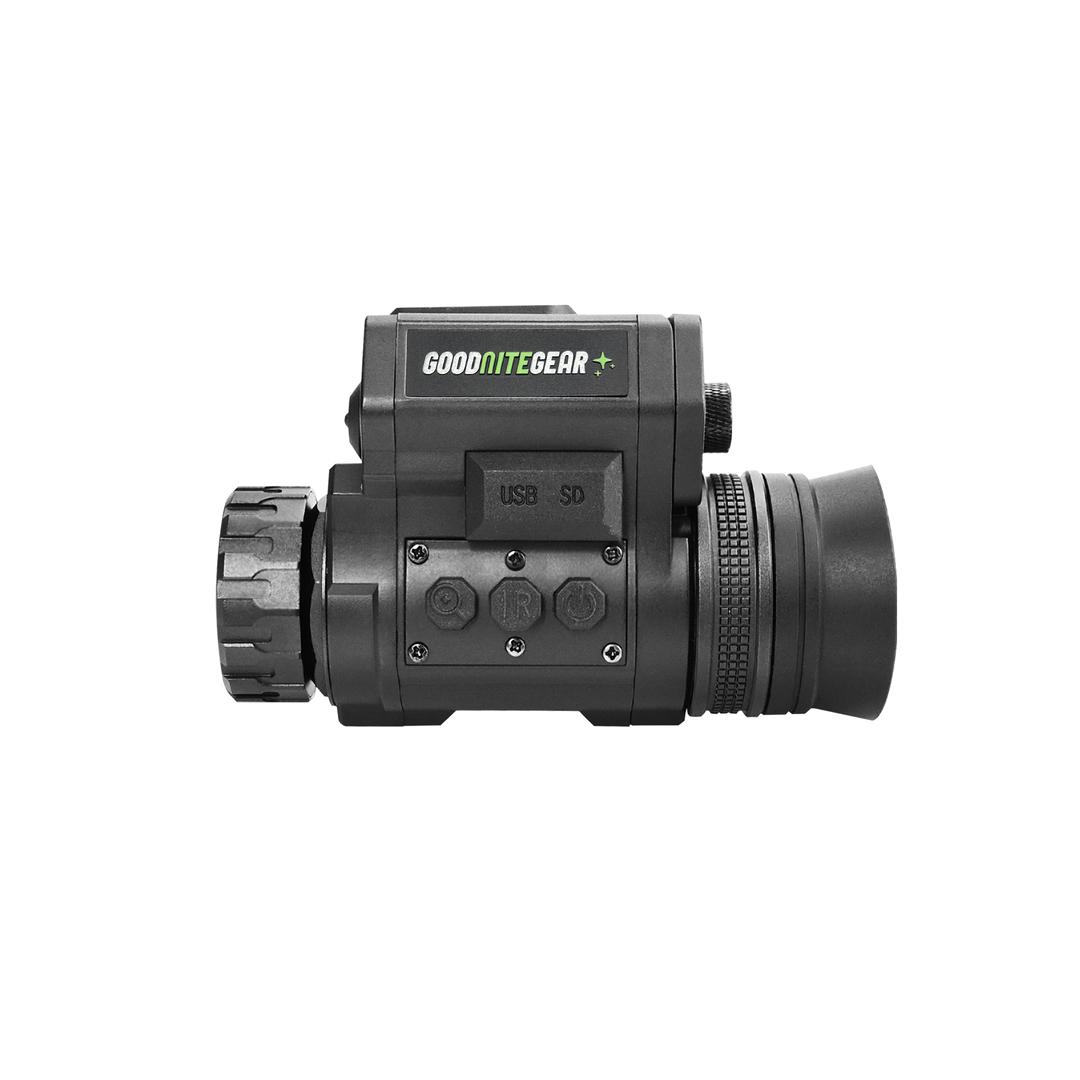

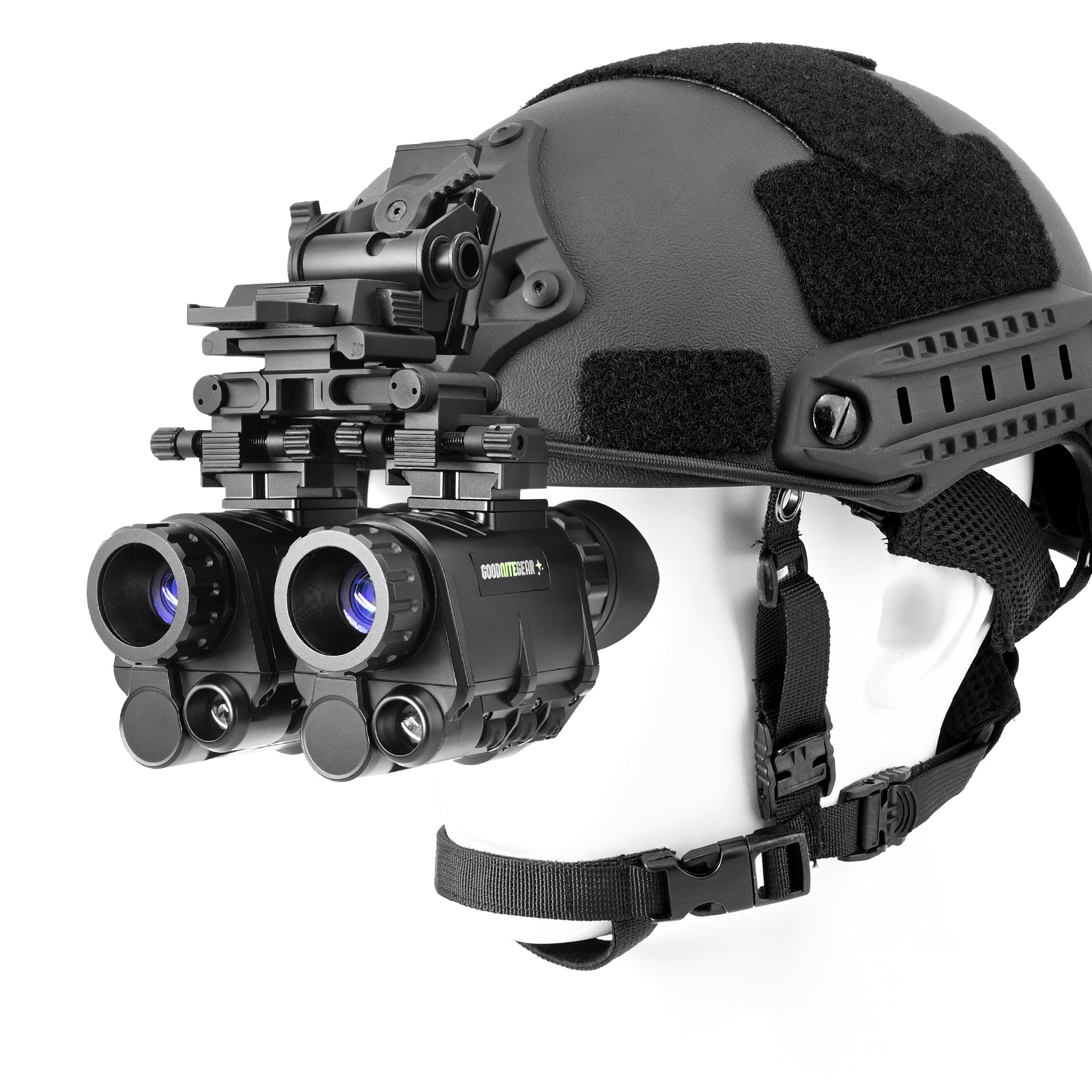


Traveling in the dark requires clear vision and real caution. A flashlight or torch alone isn't enough — you need a genuinely capable viewing aid like a night vision goggle (NVG).
So what exactly is a night vision goggle? NVGs are optoelectronic devices, also known as:
- Night vision device (NVD)
- Night optical/observation device (NOD)
Night vision goggles enhance low ambient light to let you see objects in near-total or total darkness. They work by detecting infrared radiation or amplifying whatever light is already available — moonlight, starlight — letting you see clearly in situations where the naked eye would struggle badly.
NVGs are essential for:
- Law enforcement
- Military operations
- A wide range of civilian uses
- Nighttime navigation
- Animal monitoring
How Do Night Vision Goggles Work?
There are three core technologies behind how NVGs function.
Image Intensification (I²)
Image intensification captures a small amount of ambient light and amplifies it through an image intensifier tube to create a visible picture. The resulting image usually appears in green, since green is easier on the human eye during extended viewing sessions.

Thermal Imaging
Thermal NVGs detect the heat an object emits and translate that into a visual representation of temperature differences. This makes thermal especially effective in total darkness, or through obscurants like smoke and fog that would block a light-based device entirely. Check out our thermal monoculars.

Digital Night Vision
Digital NVGs use electronic sensors — the same underlying technology found in digital cameras — to capture and process light into a viewable image. Rather than amplifying light optically through a tube, digital sensors convert it into a digital signal and display it on a screen. This approach tends to be more affordable, adds features like photo and video recording, and holds up better against bright light exposure than analog image intensification. Check out our collection of Digital Night Vision Devices.

Applications of Night Vision Goggles
Night vision devices serve a wide range of professional and recreational purposes.
Military Use
NVDs are essential to modern military operations. Today's soldiers operate with dramatically improved night vision capability compared to even a decade ago.
Military-grade night vision goggles are notable for enhancing depth perception and, increasingly, for combining thermal and image-intensified views into a single fused system.
Check out our lineup of Thermal Fusion Devices.
Civilian Use
NVGs serve plenty of purposes well outside combat zones, including:
- Security professionals using them for surveillance
- Outdoor enthusiasts using them to observe wildlife at night
The civilian market spans everything from premium professional-grade devices to genuinely affordable entry-level options — the latter being a great starting point if you're new to night vision.
How to Pick the Best Night Vision Goggles
A few key factors to weigh when choosing:
Generation/Technology Type. Analog NVGs are divided into generations, with higher generations generally offering better clarity and range. Digital devices don't follow the same generational system, but sensor quality varies just as widely — higher-end digital sensors can compete with mid-to-high analog generations depending on the specific device.
Purpose. Decide whether your primary use case is military/tactical, recreational, or security-focused — the right device looks different for each.
Budget. Top-tier night vision performs at the highest level, but costs accordingly. Plenty of affordable night vision goggles are genuinely practical for everyday, less demanding use.
For a full breakdown by price point, check out the best night vision goggles for the money. Or Watch this Tier List Video Breaking down the different options for Digital Night Vision:
The Bottom Line
Understanding what a night vision goggle actually is — and the technology behind it — helps you make sense of the different features and use cases out there. These devices are essential tools for improving vision in low light, whether you're using them for security, military purposes, or simply exploring the outdoors after dark.

