



Thermal monoculars have become indispensable tools for a wide range of professional and recreational purposes, in an era where technology has extended sight well beyond what's naturally possible. The best thermal monoculars let you see in total darkness for security, wildlife observation, or outdoor excursions.
Good Nite Gear breaks down what a thermal monocular is, how it works, and where it's genuinely useful.
Understanding What a Thermal Monocular Is
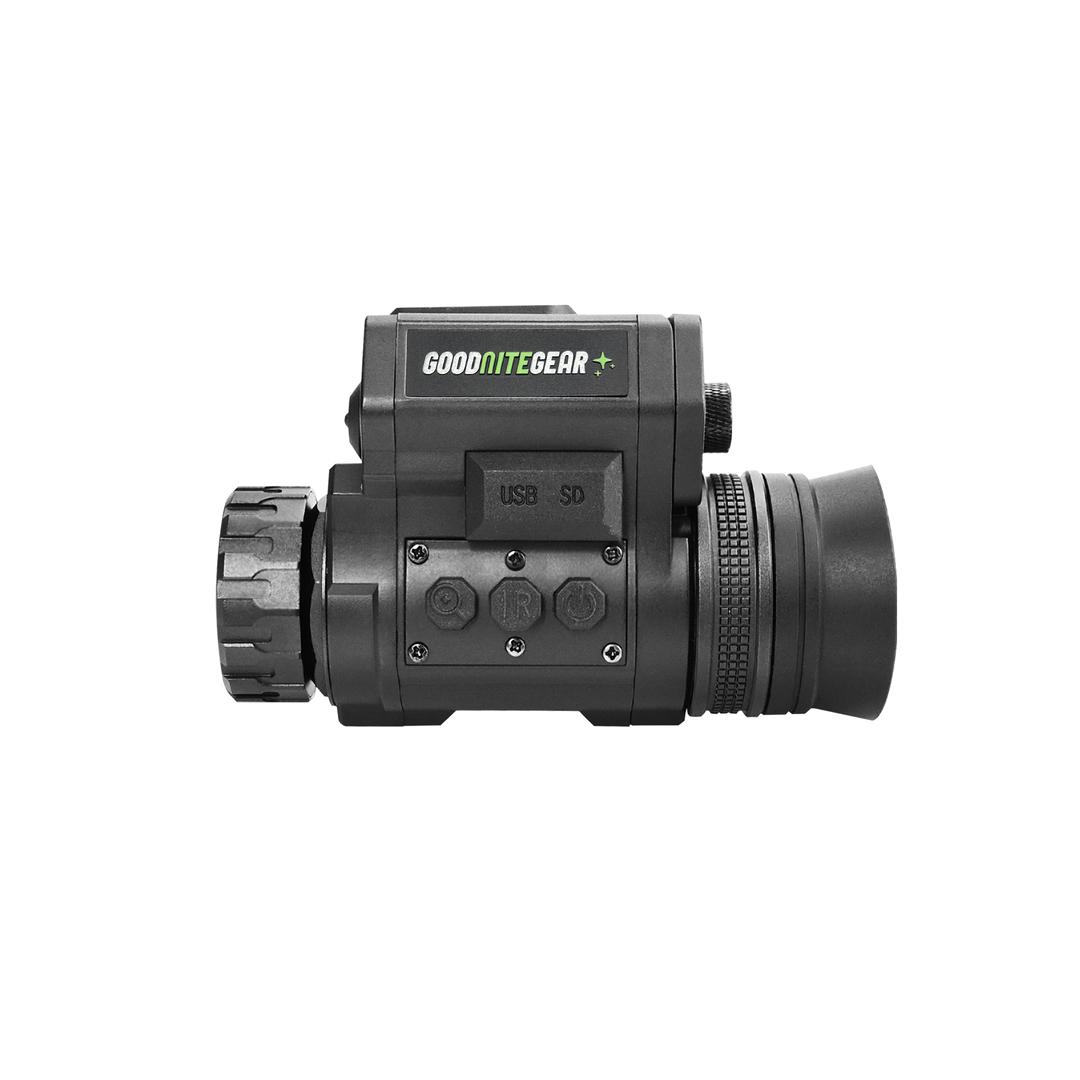
A thermal monocular is a portable optical device that picks up heat radiating from people, animals, or objects and converts it into a visible image.
Unlike night vision equipment, which amplifies available light, thermal monoculars work entirely off radiated heat. That's why they perform well in visually demanding conditions like:
- Complete darkness
- Fog
- Smoke
A thermal monocular's core advantage is its ability to detect heat signatures — a genuinely useful capability for identifying people or other heat-producing objects, even in conditions where standard low-light devices struggle.
How Does a Thermal Monocular Work?
Infrared sensors inside thermal monoculars detect temperature variation across a scene. That variation is then converted into a thermal image, typically displayed in grayscale or a range of colors:
- Cooler objects are usually shown in darker tones
- Warmer objects are usually shown in brighter tones
This lets you see environments that would otherwise be completely invisible to the naked eye. Unlike conventional night vision, thermal works effectively at all times, since it never depends on ambient light.
Thermal Binoculars vs. Monoculars
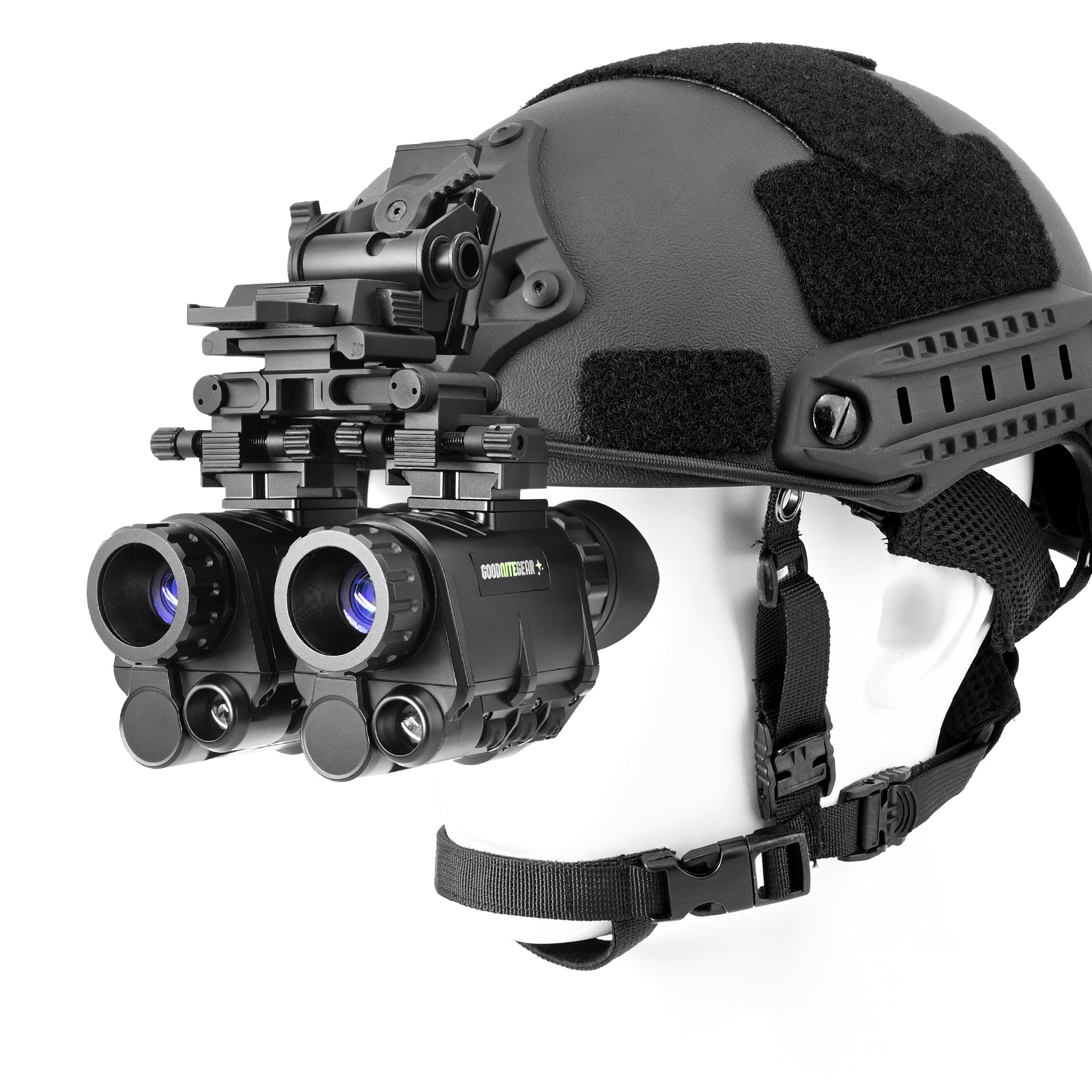
Thermal binoculars are ideal for extended viewing sessions, since dual lenses add comfort and real depth perception. Monoculars are lighter, more portable, and better suited to fast, one-eyed use in dynamic or mobile situations.
Our Thermal Monocular Lineup
If you're shopping for a thermal monocular, a couple of our own picks are worth a look:
- BTI-10 — currently the most budget-friendly helmet-mountable thermal monocular in its performance class
- Nightfox Arctic — an even more affordable entry point at $450, with real helmet-mountable thermal capability
Key Applications of Thermal Monoculars
Thermal imaging monoculars show up across a wide range of outdoor and professional contexts:
Search and Rescue
First responders use thermal monoculars to locate people in low-visibility conditions, whether that's dense forest or an active disaster scenario.
Security and Law Enforcement
Thermal monoculars help officers monitor dark areas or identify concealed hazards that standard optics would miss entirely.
Wildlife Observation
Nature lovers use thermal monoculars to observe nocturnal animals without disturbing them.
Hunting
Hunters use body heat detection to track game, improving both success rate and overall safety in the field.
Home and Property Inspection
Thermal monoculars can help identify electrical faults, insulation gaps, or heat loss around a property.
Benefits of Using a Thermal Monocular
- Operates in complete darkness
- Performs well in poor weather conditions
- Enables non-invasive observation
- Improves situational awareness and overall safety
The Bottom Line
A thermal monocular is a genuinely powerful tool that turns heat into vision. These devices keep getting smaller and easier to use, and their real value lies in showing you what the human eye simply can't see on its own.
Understanding what a thermal monocular is — and where it's actually useful — puts you in a much better position to decide wisely and get the most out of thermal imaging technology.

