



Thermal imaging technology is an essential tool for contemporary military operations. But the question remains: what thermal does the military actually use?
The answer comes down to sophisticated, extremely sensitive infrared devices that can identify heat signatures in any environment. Good Nite Gear breaks down what military thermal imaging looks like and how it functions.
How Does Military Thermal Imaging Work?
People, vehicles, buildings, and even the ground generate infrared radiation — heat — which thermal imaging equipment detects. Thermal imaging operates flawlessly through smoke, fog, and dense vegetation in complete darkness. Traditional night vision devices, by contrast, still depend on some ambient light. That difference is what gives military personnel a significant tactical edge in both combat and surveillance.
Shop our thermal monoculars now.
High-Grade Thermal Technology for the Military
The military doesn't run commercial-grade thermal cameras. Instead, they rely on military-grade thermal imaging systems built for:
- Higher resolution
- Faster reaction times
- Larger detection ranges
- Increased sensitivity
These devices are built with durable materials and sensing capabilities that go well beyond civilian-grade equipment, designed to hold up in the most demanding conditions.
The military also uses both cooled and uncooled infrared technologies:
- Cooled thermal systems offer exceptional sensitivity and are used for tasks requiring high accuracy and long-range detection.
- Uncooled systems are more portable and often deployed when rapid mobility and durability matter more than maximum range.
Buy GNG tactical bump helmets.
Why Is Thermal Imaging Used in the Military?
Thermal imaging lets military units gather intelligence and identify hidden threats without giving away their position. It:
- Performs equally well in light and dark conditions
- Helps locate threats like opposing forces, mines, and improvised explosives
- Functions in fog, smoke, rain, or snow
- Supports targeting, navigation, and detection across air, land, and maritime operations
The Closest Civilian Equivalent: Thermal Fusion
True military-spec thermal systems aren't sold commercially — but thermal fusion technology, which combines a thermal sensor with a low-light digital sensor in a single device, brings a genuinely comparable capability set to civilians. A few standout options:
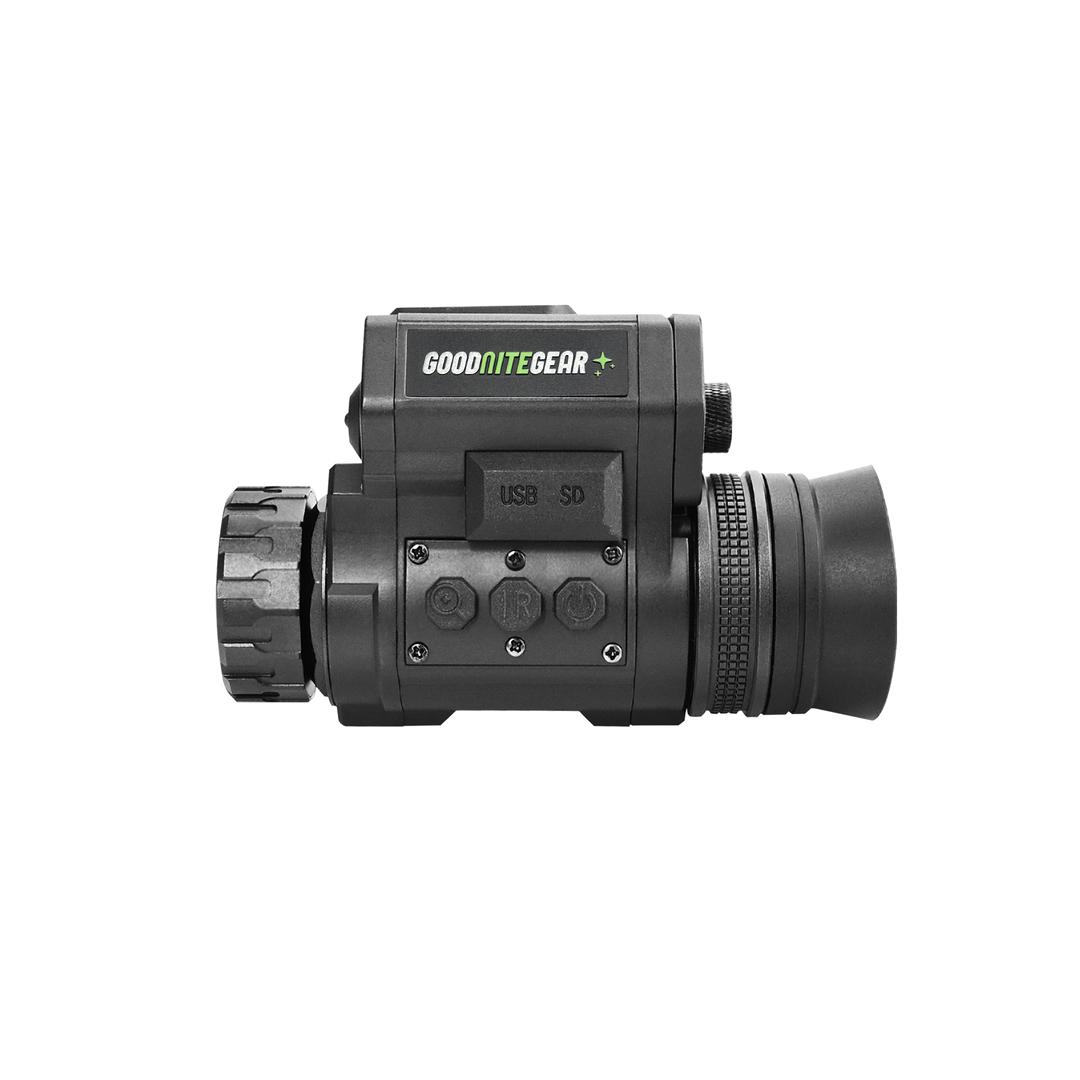
GNG GF20 ($5,500) — A helmet-mountable thermal fusion monocular built around a 1" sensor with 0.00005 lux low-light performance, paired with a 640×512 thermal sensor. It runs at 50/100Hz with a 50° field of view and delivers over 75 hours of runtime in low-power mode — a legitimate alternative to Gen 3 analog with thermal detection analog simply can't offer.
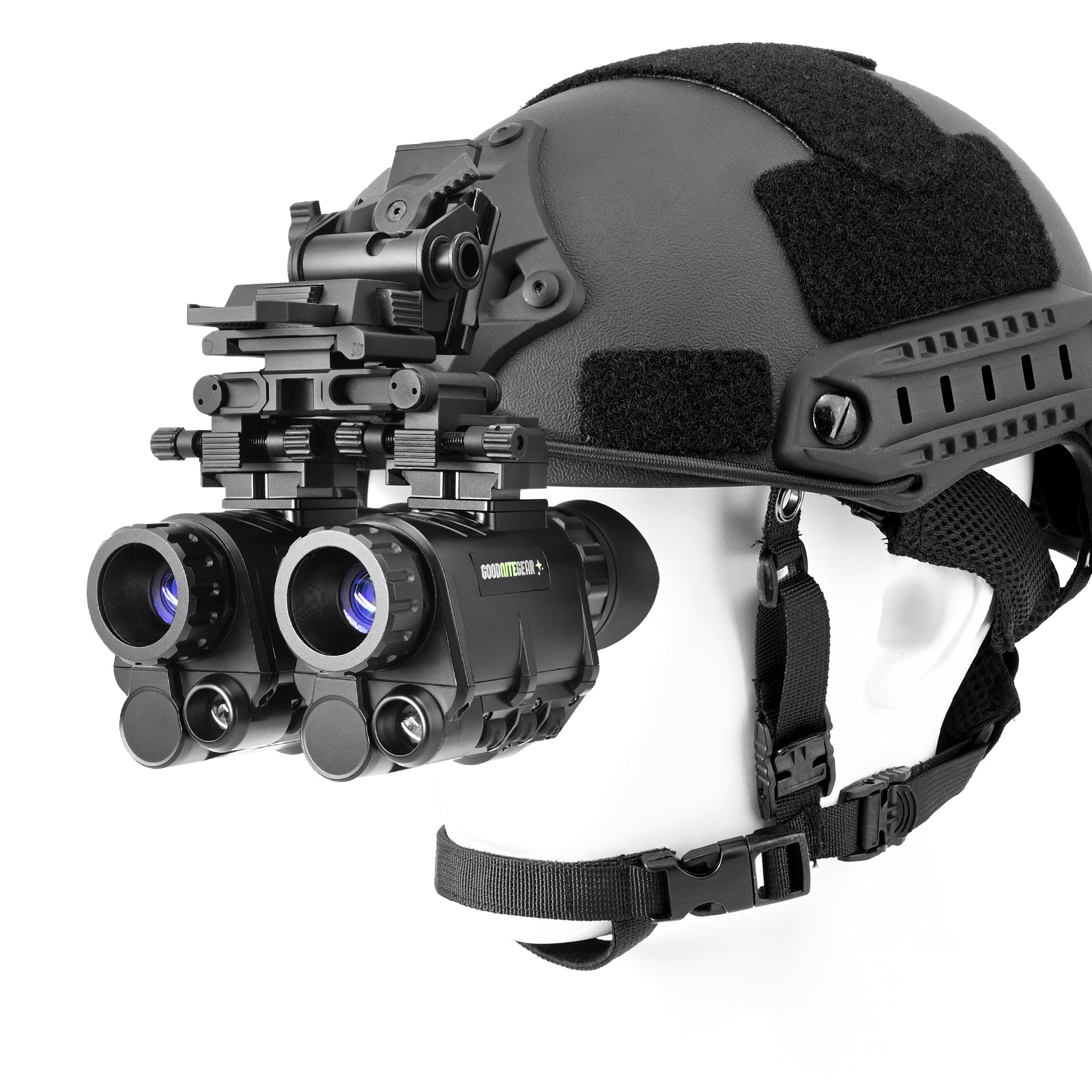
GNG GF31 ($7,500) — The binocular version of the same platform, with dual 1" sensors for true stereoscopic depth perception alongside the same 640×512 thermal capability. Built for operators who want full immersive situational awareness rather than single-eye viewing.
GNG TF213 ($7,950) — A handheld thermal binocular for anyone who doesn't need a helmet-mounted setup. It integrates low-light and thermal observation with laser distance measurement and precise target positioning, making it a strong fit for surveillance, observation, and range-finding tasks where portability matters more than hands-free operation.

Evolving with Technology
The military's use of thermal imaging keeps advancing alongside broader technology trends. Modern systems increasingly incorporate:
- Artificial intelligence
- Machine learning
- Real-time data processing
These additions enable faster, smarter decision-making under high-stress conditions.
Buy night vision monoculars now.
The Bottom Line
So, what thermal does the military use? Highly sophisticated, military-grade infrared systems built to perform under any circumstance. These technologies support modern combat operations by enhancing precision, protecting missions, and preserving a tactical advantage — and thanks to thermal fusion technology, civilians now have access to systems built on the same core principles, at a fraction of military procurement cost.

