
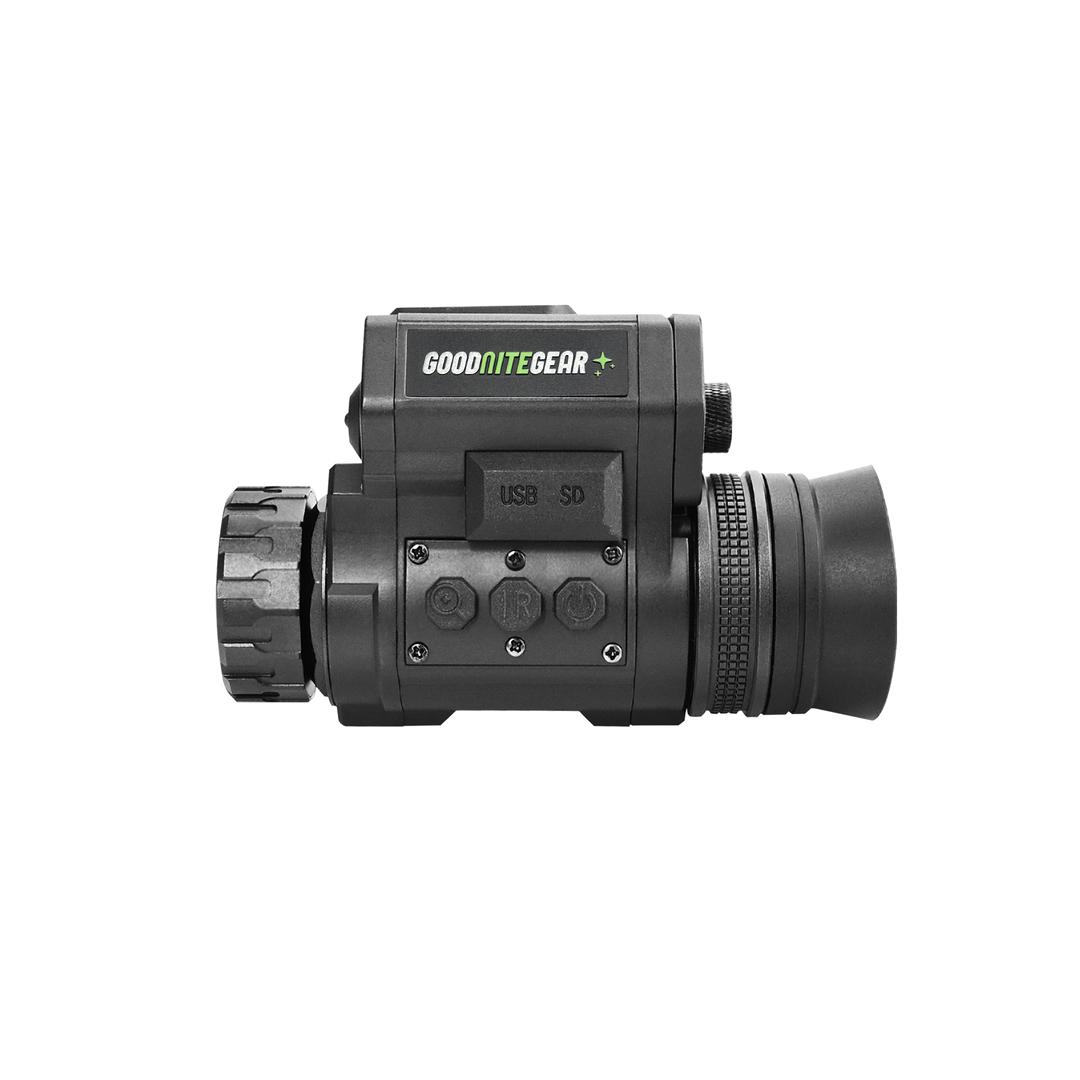

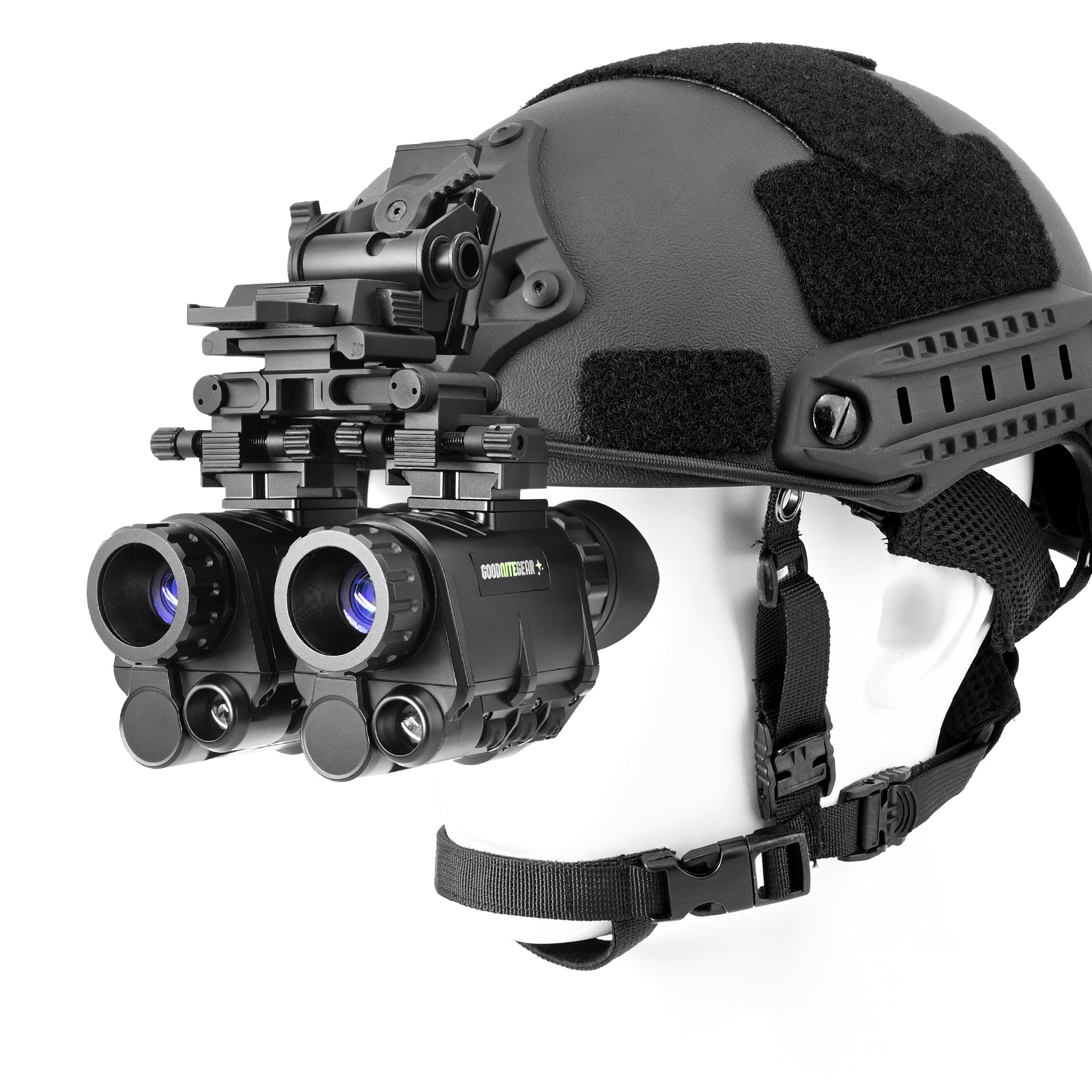


Night vision isn't just military and law enforcement gear anymore. Hunters, homesteaders, property owners, and outdoor enthusiasts are all realistic buyers today — but if you're new to this space, it's easy to get lost between military nomenclature, generation tiers, and price tags that swing from $165 to $10,000+.
This guide is built specifically for civilian buyers: what's legal to own, what's actually practical for your use case, and where your money is best spent depending on what you're trying to do.
Is It Legal for Civilians to Own Night Vision Goggles?
Yes. US civilians can legally purchase night vision devices across all generations — including Gen 3 — without a special permit. The restriction that does exist is on export: taking or shipping night vision equipment outside the US requires an ITAR export license, and non-US citizens cannot purchase Gen 3 devices or above at all.
For nearly all civilian buyers — hunters, homeowners, outdoor enthusiasts — this means the entire market, from budget digital devices to premium analog tubes, is legally available to you domestically. Always double check your specific state or local regulations, since these are typically stable but can vary.
Digital vs. Analog: What Actually Makes Sense for Civilians
Military and law enforcement buyers often default to analog Gen 3 because absolute reliability and battery life can be life-or-death considerations. For most civilian use cases — hunting, home security, recreational night navigation — that calculus looks different.
Digital night vision has closed a huge amount of ground on analog in recent years, and it does so at a fraction of the cost:
- Budget digital (NVG40, sub-$200) performs roughly in line with Gen 1 analog
- Mid-tier digital (NVG30, NVG50, SVG5) increasingly competes with Gen 2+ performance
- Premium digital (NVG90 SE, NVG90 Pro) genuinely goes toe-to-toe with Gen 3 tubes in real-world testing, at a fraction of the $3,000–$10,000+ analog price tag
Digital also adds real civilian-friendly advantages analog doesn't offer: video recording (useful for documenting property incidents or hunts), resistance to bright-light damage (no risk from accidentally catching a headlight or flashlight), and generally lower cost of entry.
Where analog still wins: battery life (a PVS-14 can run 50 hours on a single AA vs. a few hours for most digital devices) and zero processing latency. If you're budget-unconstrained and want the longest possible runtime without carrying spare batteries, analog remains a legitimate choice — but for the vast majority of civilian use cases, digital is the more practical, more affordable answer.
Best Night Vision by Civilian Use Case
Hunting
For most hunters, the NVG30 or NVG50 hits the sweet spot — solid no-IR low-light performance for spotting game without a flashlight, at a price that makes sense for occasional or seasonal use. Serious or frequent hunters covering larger areas should look at the NVG90, and hog or coyote hunters working dense brush should strongly consider thermal fusion for genuine detection capability standard night vision can't match.
Home and Property Security
A single monocular like the NVG50 covers most property security needs — walking a perimeter or checking on a noise at night without lighting up the whole yard. For larger properties, the wider field of view and longer detection range of the NVG90 is worth the upgrade.
Recreational Use and Camping
If you just want to see clearly on a night hike, camping trip, or backyard stargazing session, the NVG40 is a genuinely capable, low-cost way to get started without a major investment.
Tactical Shooting and Training
For civilians running night fire drills, competitive low-light shooting, or general tactical training, a rail-mounted night vision scope paired with an IR aiming laser is the setup to focus on — it stays fixed to your weapon for a consistent, repeatable sight picture shot after shot. If you're pairing night vision with a helmet-mounted monocular for navigation as well, the NVG90 or NVG90 SE offer the low latency and frame rate that fast-paced training demands.
Recreational and Sport Shooting
If you're shooting after dark recreationally — plinking, low-light range sessions, or just extending your range time past sunset — the NVG30 or NVG50 give you enough performance to shoot safely and see your target clearly without needing tactical-grade spec.
Prepping and SHTF Readiness
For preppers building out a genuine self-reliance kit, night vision is a serious force multiplier — the ability to navigate, observe, and secure your property at night without giving away your position with a flashlight matters a lot if grid power or normal infrastructure is ever compromised. The NVG90 strikes a strong balance for this use case: durable build quality, real low-light performance, and binocular-bridging capability if you want to expand your setup later. Buyers who want maximum detection capability — spotting people or animals through brush or darkness before they're a threat — should look seriously at thermal fusion, since it's purpose-built for exactly that kind of situational awareness.
Thermal Fusion
If detection matters as much to you as navigation — spotting a person, animal, or threat through brush, fog, or total darkness before you're close enough to see them with standard night vision — thermal fusion is worth considering as its own category. It combines a thermal sensor with a low-light digital sensor in one device, so you're not choosing between the two.
For civilians wanting to try the format without a major investment, the Nightfox Prowl 2 + Arctic Thermal Kit is a genuinely affordable entry point at around $700 for a side-by-side fusion setup. For serious hunters, property security, or preppers who want premium fused capability in a single unit, the GNG GF20 monocular or GNG GF31 binocular deliver real detection range and image quality, combining a 1" low-light sensor with a 640×512 thermal core.
General Preparedness
For buyers who want a well-rounded device that performs solidly across hunting, security, and general outdoor use without specializing too narrowly, the SVG5 offers a strong middle ground — meaningfully better low-light performance than budget options, still well under $1,000.
What to Look for as a First-Time Civilian Buyer
Start with your actual use case, not the highest spec sheet. A $165 NVG40 might be all you need for the occasional camping trip; a $7,500 thermal fusion binocular is overkill unless you're hunting professionally or managing serious property security.
Consider mounting options early. Helmet-mountable devices give you hands-free use, which matters a lot for hunting or active navigation, less so for casual backyard use.
Factor in battery logistics. Digital devices generally need more frequent charging or battery swaps than analog — not a dealbreaker, but worth planning around if you'll be out for extended periods.
Buy from a dealer, not just the lowest price on Amazon. Support, warranty coverage, and product knowledge matter more with night vision than with most other gear categories.
The Bottom Line
Civilian night vision has never been more accessible or more capable. Whether you're hunting, securing property, or just exploring the outdoors after dark, there's a genuinely good option at nearly every price point — and for most civilian use cases, modern digital night vision delivers real performance without analog's price tag or fragility.

