
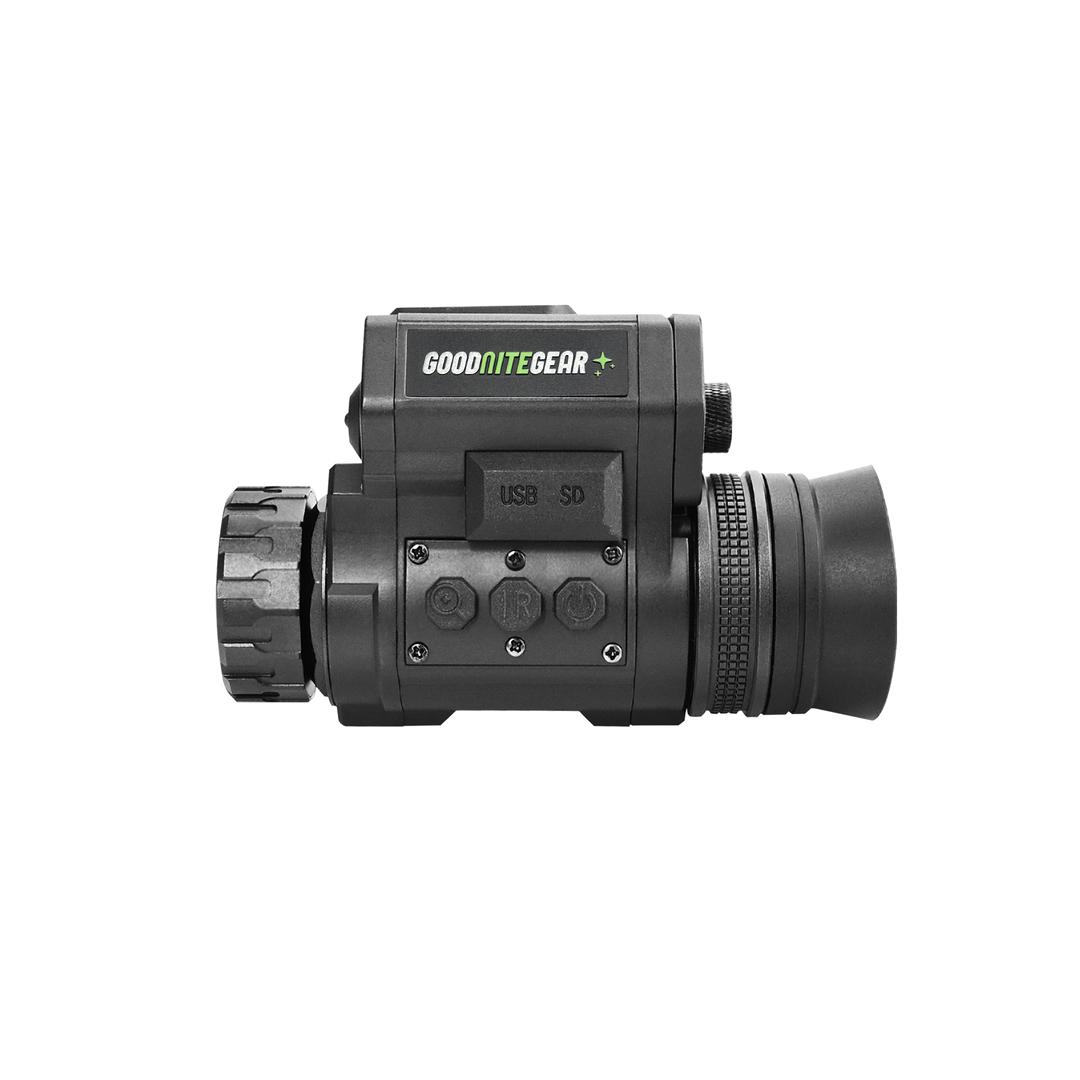

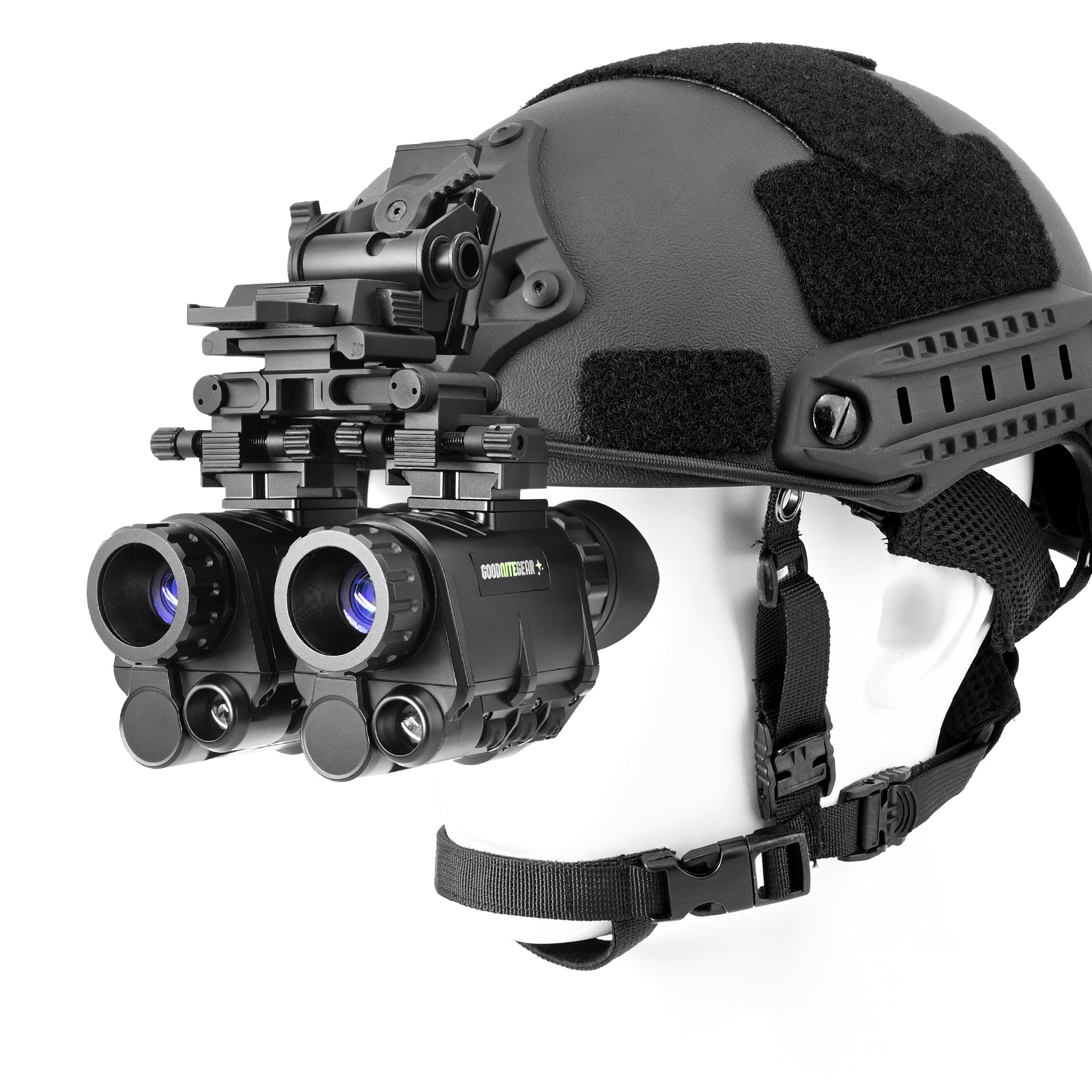


Thermal monoculars are vital equipment for professional security guards and hunters alike. Good Nite Gear breaks down how long thermal monoculars actually last, so you can get the most out of your investment with guaranteed field performance.
Average Lifespan of Thermal Monoculars
The lifespan of a thermal imaging monocular mainly comes down to a few fundamentals:
- Construction
- Usage
- Upkeep
With proper maintenance, the best thermal monoculars often last five to ten years. The thermal sensor is the key component here — it typically has an operating life of 40,000 to 60,000 hours, which translates to several years of consistent field use.
Key Factors Affecting Lifespan
1. Component Quality
Thermal Sensors. Premium sensors made from materials like vanadium oxide are more resilient and last considerably longer.
Displays. OLED or AMOLED screens typically last around ten years, though usage patterns and environmental exposure can shorten or extend that window.
Lenses. High-quality monoculars use germanium lenses, which — with careful care — can last more than 20 years.
2. Battery Management and Life
Battery performance matters a lot here. Most thermal monoculars run four to ten hours per charge, though temperature and feature use (Wi-Fi, video recording) can significantly impact that. Running Wi-Fi continuously, for example, can drastically shorten battery life.
3. Environmental Conditions
Internal components can deteriorate over time from exposure to severe temperatures, moisture, or dust. Protective cases and storing the device in a dry, temperate environment go a long way toward minimizing this wear.
4. Usage Habits
Regular use in challenging environments can cause real wear over time. That said, with proper care, even heavily used monoculars can still last for years.
Get the best GNG tactical bump helmets!
How to Extend the Lifespan of a Thermal Monocular
Regular Cleaning. Use soft cloths and proper lens cleaning solutions to avoid scratches.
Proper Storage. Keep the device out of direct sunlight and moisture, and store it in a protective case when not in use.
Battery Care. Store batteries in cool, dry locations, and avoid letting them run completely flat.
Regular Inspections. Check for wear or damage periodically, and address any issues quickly before they compound.
Thermal Binoculars vs. Monoculars
Thermal binoculars are ideal for extended viewing sessions, since dual lenses offer more comfort and real depth perception. Monoculars are lighter, more portable, and better suited to fast, one-eyed use in dynamic or mobile situations.
Our Thermal Monocular Lineup
If you're shopping for a thermal monocular built to last, a couple of our own picks are worth a look:
- BTI-10 — currently the most budget-friendly helmet-mountable thermal monocular in its performance class
- Nightfox Arctic — an even more affordable entry point at $450, with real helmet-mountable thermal capability and a 9-hour runtime per charge
Both are built with the same durability principles covered above — solid construction and proper care will get you years of reliable field use out of either one.
Want Detection and Navigation in One Device?
If you're shopping for longevity, it's also worth considering thermal fusion — devices that combine a thermal sensor with a low-light digital sensor in a single unit, so you're not switching between separate thermal and night vision gear (and not managing the lifespan of two devices instead of one):
- GNG GF20 ($5,500) — a helmet-mountable thermal fusion monocular pairing a 1" low-light sensor with a 640×512 thermal sensor
- GNG GF31 ($7,500) — the binocular version, with dual sensors for true stereoscopic depth perception alongside the same thermal detection
Both are built to the same rugged standards discussed above, with IP67 weatherproofing and long runtime designed for extended field use.
The Bottom Line
Learning how long thermal monoculars last reveals the real variables that affect their lifespan. With careful upkeep, a high-quality thermal monocular can perform reliably for five to ten years or longer. Investing in proper maintenance is what guarantees peak performance when it actually matters in the field.

