



In the world of tactical observation and night operations, technology is constantly evolving. Today, we're diving deep into why thermal fusion represents the next quantum leap in night vision capabilities.
 What Is Thermal Fusion?
Thermal fusion combines traditional digital night vision with thermal imaging technology, creating a hybrid system that dramatically outperforms standard night vision devices. It's not just an incremental improvement — it's a game-changing approach to low-light and no-light detection.
Our lineup spans the full range of thermal fusion capability:
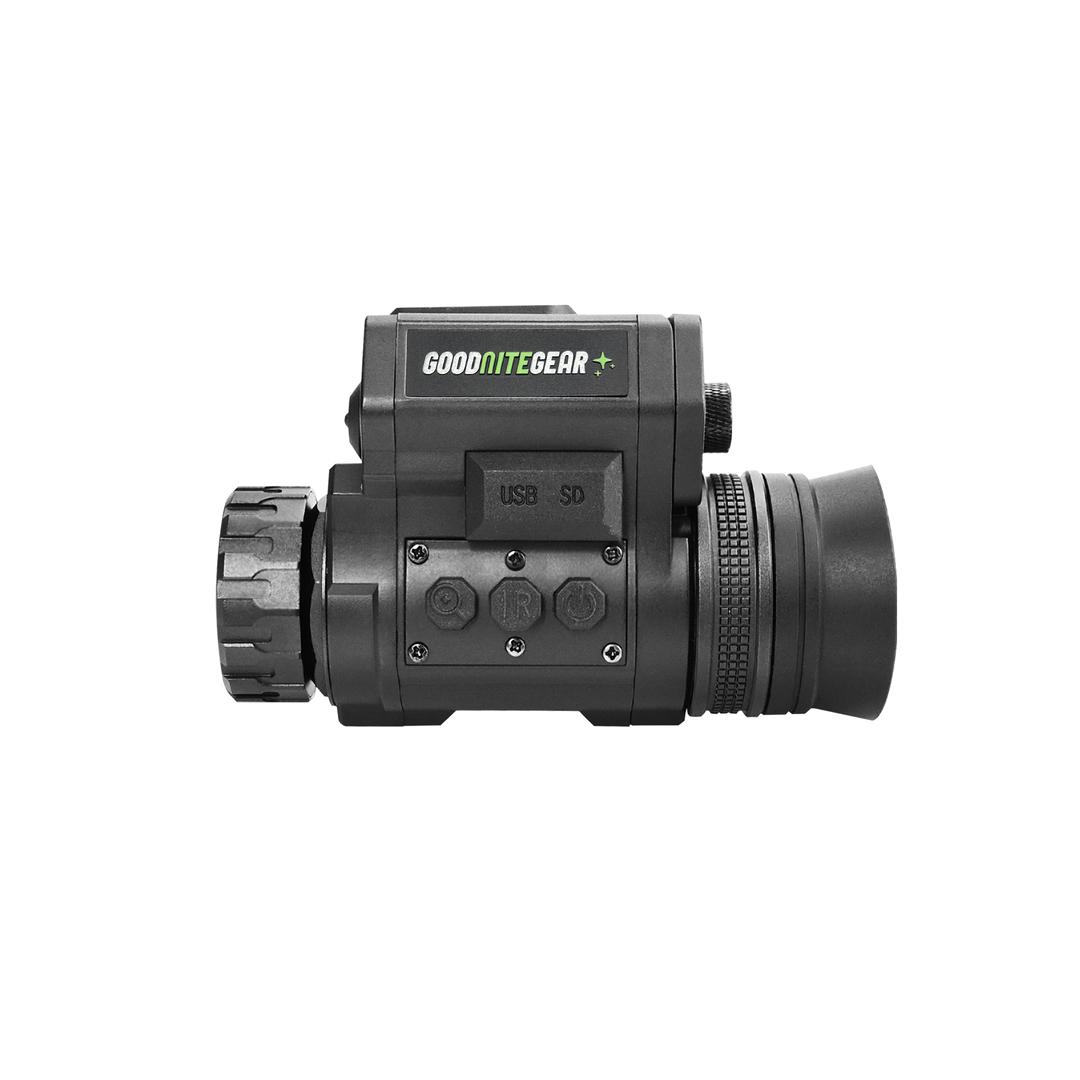
- GNG GF20 ($5,500) — a helmet-mountable thermal fusion monocular pairing a 1" low-light sensor with a 640×512 thermal sensor
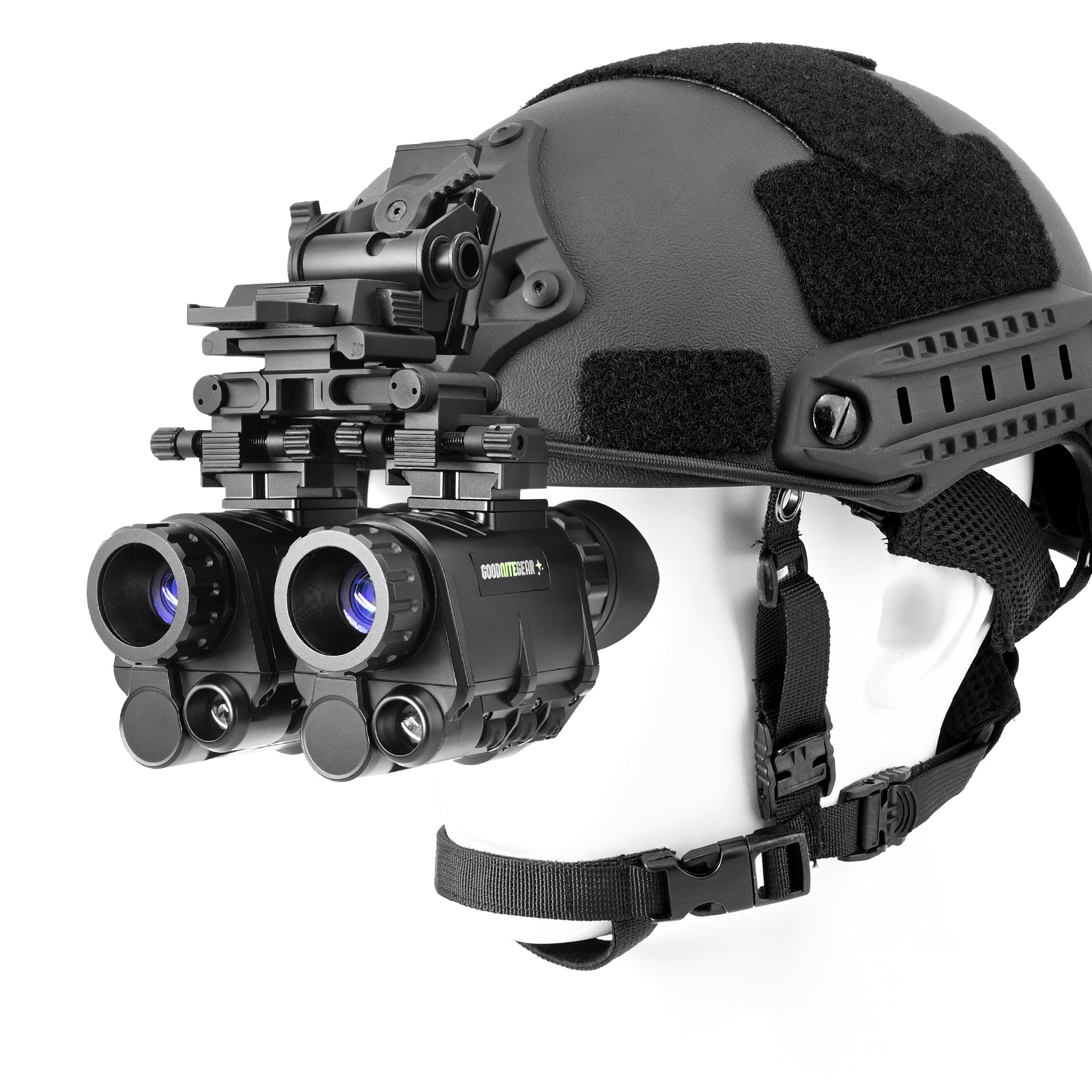
- GNG GF31 ($7,500) — the binocular version, with dual sensors for true stereoscopic depth perception alongside the same thermal capability
- GNG TF213 ($7,950) — a handheld thermal fusion binocular with integrated laser rangefinding, ideal if you don't need a helmet-mounted setup
See how thermal fusion actually compares to a straight analog-vs-digital setup in our own head-to-head video:
8 Critical Advantages of Thermal Fusion Technology
1. Defeating Camouflage Like Never Before
Traditional night vision excels at showing detail, but struggles when targets blend into their surroundings. Thermal fusion changes the game entirely. By highlighting heat signatures, it makes targets instantly visible — even when they're wearing perfect camouflage or hiding in matching vegetation.
2. Weather? What Weather?
Fog, smoke, rain, dust — these are nightmare conditions for standard digital night vision. Thermal fusion laughs in the face of these obstacles. While traditional devices get scattered and blocked, thermal imaging cuts straight through, maintaining detection capabilities when other systems fail.
3. Seeing Through Nature's Barriers
Dense foliage is no longer a hiding place. Where digital night vision sees only a wall of leaves, thermal fusion reveals heat signatures lurking behind. Thick brush, dense forest, complex terrain — nothing stays truly hidden.
4. Light? Who Needs It?
Forget depending on moonlight or infrared illumination. Thermal fusion works completely independently of ambient light sources. Whether it's a pitch-black night or an overcast evening, your detection capabilities remain consistent.
5. Instant Target Acquisition
Forget carefully scanning an image. With thermal fusion, hot targets literally jump out at you. The instant contrast between living targets and their background means faster detection and significantly reduced mental fatigue during extended observations.
6. Extended Detection Ranges
Heat signatures can be detected at substantially greater distances compared to visual details in low-light conditions. This means earlier warnings, more reaction time, and a critical tactical advantage.

7. 24/7 Operational Capability
Unlike traditional night vision, which is limited to low-light conditions, thermal fusion devices often work seamlessly in daylight and darkness alike. One system, total operational flexibility.
8. Zero Operational Signature
Say goodbye to detectable infrared illumination when running thermal alone. Thermal fusion maintains detection capabilities, and you have the option to skip infrared illuminators entirely — illuminators that could otherwise compromise your position.
What Real Operators Are Saying
We're not the only ones who think thermal fusion changes the game. Kyle with 4MR Ranch put the GF20 to the test himself:
"The GF20 combines the best of both worlds when it comes to Digital Night Vision and Thermal. I am very impressed by how good Digital Night Vision is getting." — Kyle, 4MR Ranch
That's the kind of feedback that comes from real field use, not a marketing brochure.
The Bottom Line
Thermal fusion isn't just an upgrade — it's a complete revolution in observation technology. You're not choosing between digital night vision and thermal imaging. You're getting the absolute best of both worlds, working together in real time.
For hunters, security professionals, military operators, and anyone who needs to see what others can't — thermal fusion isn't just an option. It's the future.
Interested in cutting-edge observation technology? Check out our full collection of thermal fusion devices!

