



What Are NODs? (Night Optical/Observation Devices Explained)
If you've spent any time around night vision forums, YouTube channels, or gear reviews, you've probably run into the term "NODs" — often without a clear explanation of what it actually means. Here's the straightforward answer.
NODs: What the Acronym Actually Means
NODs stands for Night Optical/Observation Devices (sometimes seen as Night Vision Device, or NVD). It's the umbrella term for any device that lets you see in low-light or dark conditions — monoculars, binoculars, and full goggle systems all fall under the "NODs" label.
In practice, most people in the night vision community use "NODs" as informal shorthand for the device itself, regardless of whether it's a single monocular or a full binocular rig. If someone asks "what NODs are you running," they're asking what night vision device you own — not asking about a specific product category.

NODs vs. NVG vs. NVD vs. GNG — Are They the Same Thing?
Mostly, yes. These terms get used interchangeably in casual conversation:
- NOD — Night Optical/Observation Device
- NVG — Night Vision Goggle
- NVD — Night Vision Device
- GNG — Good Nite Gear
Technically, "NVG" implies a goggle-style, hands-free device, while "NOD" is the broader umbrella term that also covers monoculars and binoculars. In day-to-day use, though, most people — including plenty of manufacturers — use all three terms loosely to mean the same general category of gear.
What Falls Under "NODs"?
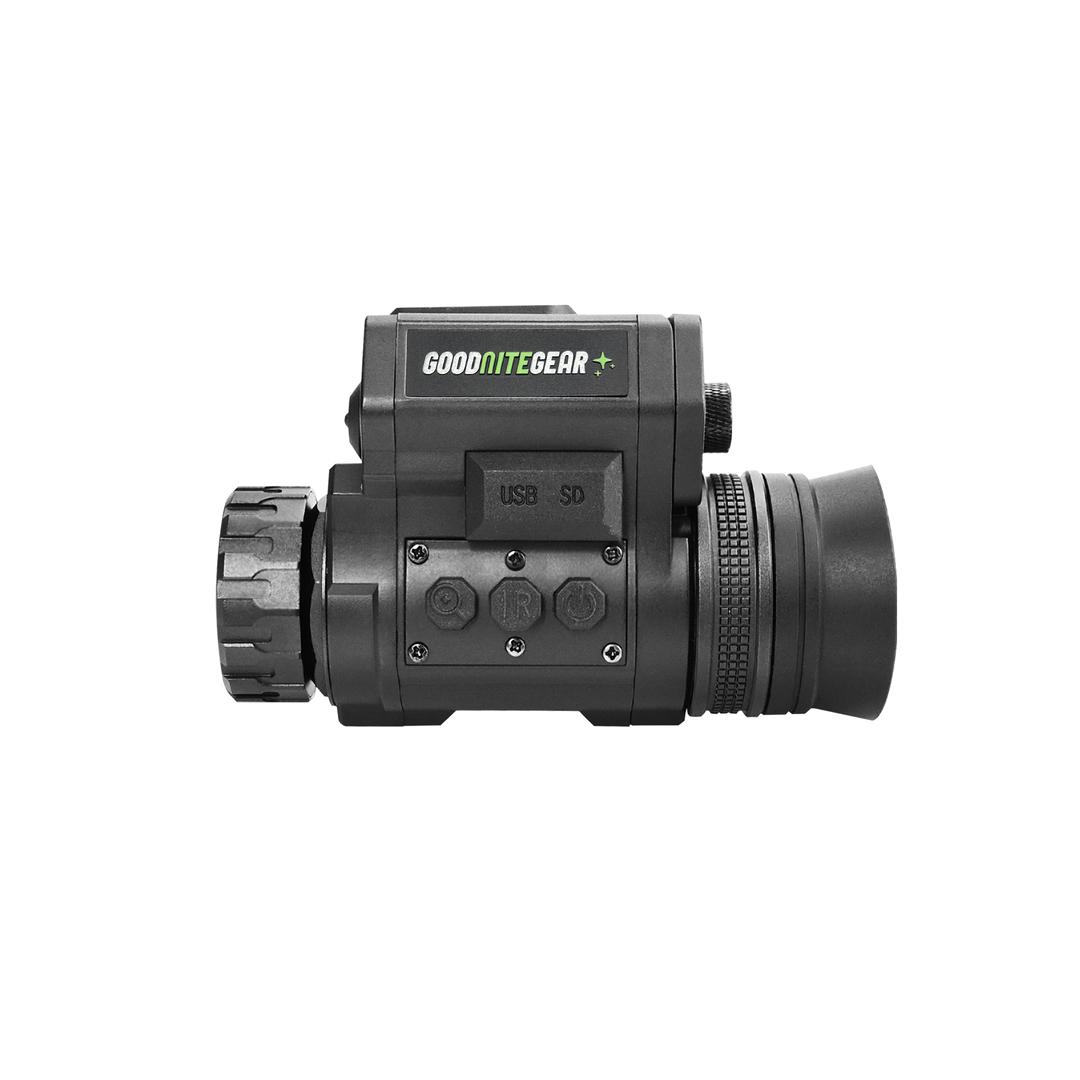
- Monoculars — single-eye devices, the most common entry point into night vision
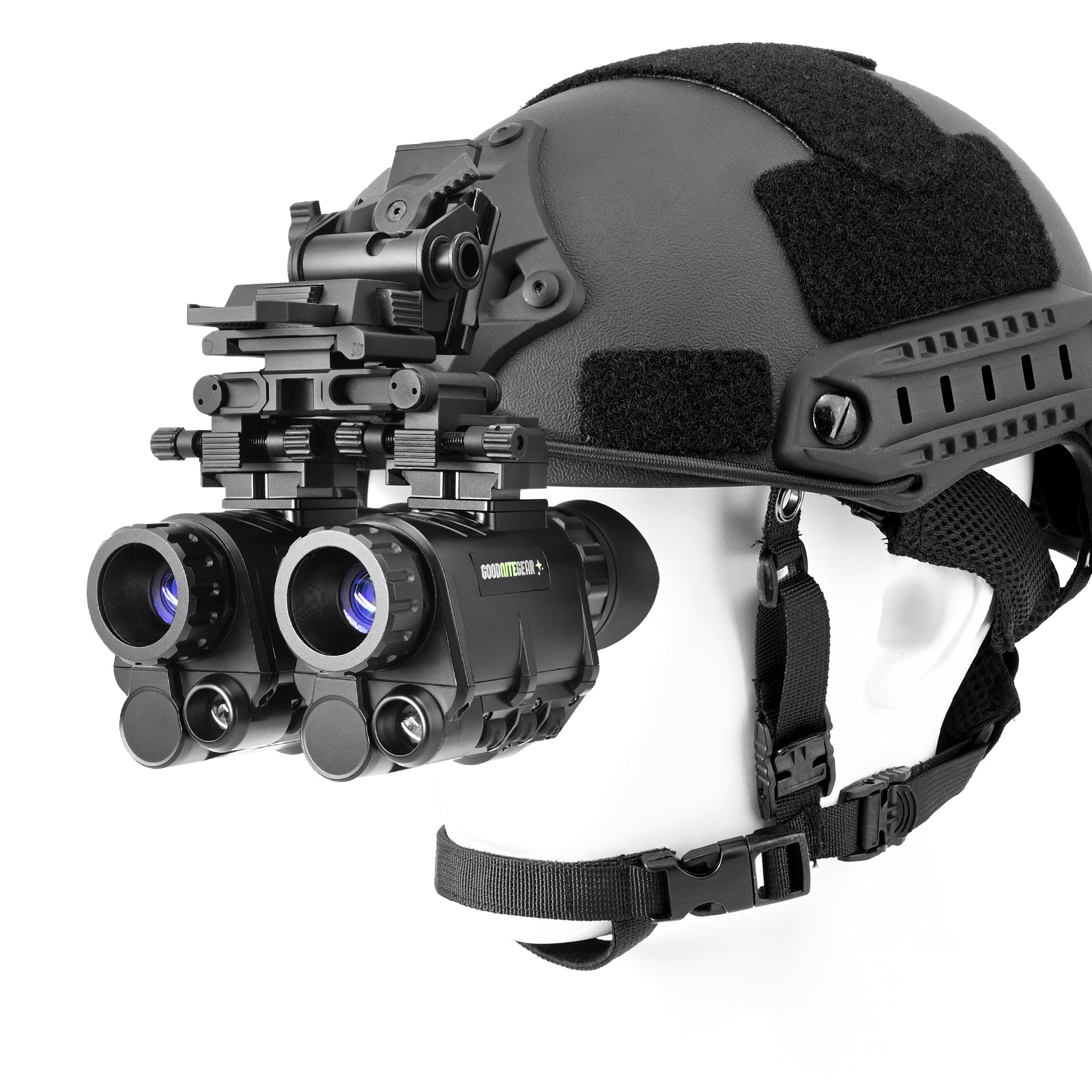
- Binoculars — dual-eye devices offering real depth perception
- Goggles — hands-free, helmet-mounted systems, often built around one or two tubes/sensors
- Quad-tube panoramic systems — like the GNG G18, offering a dramatically wider field of view than standard dual-tube setups
All of these can run on either analog image-intensification technology or modern digital sensors — see our breakdown of digital vs. analog night vision if you want the deeper technical comparison.
Why the Terminology Gets Confusing
Military and law enforcement circles popularized "NODs" as general slang, and it stuck across the broader night vision community — hunters, airsoft players, preppers, and hobbyists all picked it up from that same military-adjacent culture. Meanwhile, retail product listings tend to use "night vision goggles" or "night vision monocular" since those terms are more search-friendly and specific for shopping purposes.
Bottom line: if you see "NODs" used anywhere in this space, it's almost certainly referring to whatever night vision device is being discussed — no need to overthink the distinction.
Choosing Your First Pair of NODs
If you're new to the space and trying to figure out where to start, a few starting points based on budget and use case:
- Under $200: the NVG40 is a strong, genuinely capable entry point
- $400–$500: the NVG30 or NVG50 hit the sweet spot for most first-time buyers
- Premium digital: the NVG90 , NVG90 SE or NVG90 Pro for buyers who want performance that genuinely competes with analog
For a full breakdown across every price tier, check out our Top 10 Digital Night Vision Tier List. You can also watch the video here:
Frequently Asked Questions
Is NOD the same as night vision goggles? Close enough for everyday use. Technically NOD is the broader umbrella term (covering monoculars, binoculars, and goggles), while NVG specifically implies a goggle-style device — but the terms are used interchangeably in practice.
Why do people say "NODs" instead of "night vision"? It's shorthand that originated in military and tactical circles and spread into the broader hunting, prepping, and hobbyist communities. It's just faster to say.
What's the difference between NODs and thermal imaging? NODs (in the traditional sense) amplify existing light — they need at least some ambient light or IR illumination to function. Thermal imaging detects heat instead of light, letting it work in genuinely total darkness. Some modern devices, called thermal fusion, combine both technologies in one unit.
Can civilians legally own NODs? Yes. US civilians can legally purchase night vision devices across all generations, including Gen 3, without a special permit. The restriction is on export outside the US, which requires an ITAR license.
Shop Night Vision Goggles and Monoculars at Good Nite Gear →

